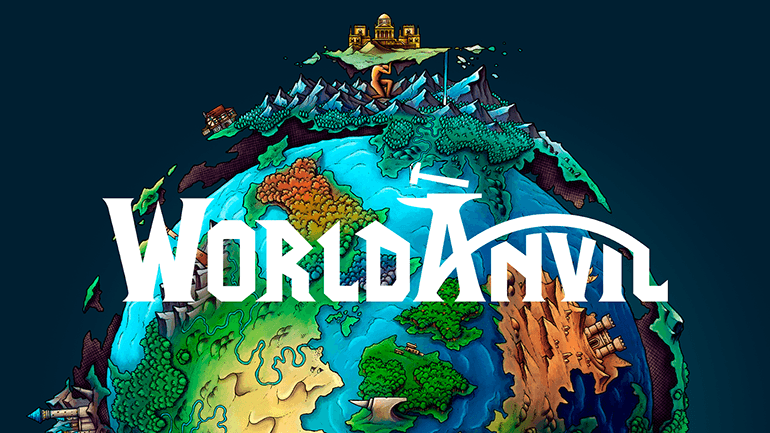
Creating a believable fantasy world takes more than imagination. Every kingdom, culture, language, character, timeline, and historical event must connect naturally. That is where World Anvil has become one of the most trusted platforms for writers, dungeon masters, game developers, and storytellers.
Whether you’re writing an epic fantasy novel, running a tabletop RPG campaign, designing a fictional universe, or organizing years of creative ideas, World Anvil offers an all-in-one workspace that helps transform scattered notes into a structured, searchable world.
This comprehensive guide explains everything you need to know about World Anvil, including its features, benefits, pricing, strengths, limitations, and practical tips for making the most of the platform.
What Is World Anvil?
World Anvil is an online worldbuilding and storytelling platform that allows creators to organize every aspect of a fictional universe in one place.
Instead of storing notes across multiple documents, notebooks, spreadsheets, or apps, users can connect information through linked articles, interactive maps, timelines, family trees, calendars, and encyclopedias.
The platform is used by:
- Fantasy authors
- Science fiction writers
- Tabletop RPG Game Masters
- Dungeons & Dragons players
- Novelists
- Indie game developers
- Screenwriters
- Comic creators
- Educational storytellers
Rather than acting as a simple note-taking application, it functions like a complete knowledge base for fictional worlds.
Why World Anvil Is Popular
Many writers begin with random notes inside Word documents or Google Docs. As projects grow, keeping track of names, locations, historical events, and relationships becomes increasingly difficult.
World Anvil solves this problem by creating connections between every part of your fictional universe.
Popular reasons creators choose the platform include:
- Centralized worldbuilding
- Interactive world encyclopedia
- Relationship linking
- Timeline management
- Interactive maps
- Character organization
- Campaign management
- Writing collaboration
- Public publishing options
- Community challenges and events
These features save time while improving consistency across long-term creative projects.
Key Features of World Anvil
Comprehensive Article Templates
One of the biggest strengths of World Anvil is its extensive library of templates.
Instead of creating pages from scratch, users can choose templates specifically designed for different worldbuilding elements.
Examples include:
- Characters
- Cities
- Kingdoms
- Continents
- Religions
- Governments
- Organizations
- Magic systems
- Flora
- Fauna
- Historical events
- Artifacts
- Businesses
- Languages
- Vehicles
Each template includes fields that encourage deeper thinking and help maintain consistency.
Interactive Maps
Maps become much more useful when readers can explore them.
World Anvil allows creators to upload maps with clickable markers.
Each marker links directly to an article, allowing readers to learn about:
- Cities
- Castles
- Forests
- Mountains
- Rivers
- Ruins
- Villages
- Dungeons
- Landmarks
This creates an immersive browsing experience that feels like exploring a living world.
Timeline Builder
Large fictional universes often span centuries or even thousands of years.
The timeline feature helps organize:
- Ancient civilizations
- Historical wars
- Political changes
- Character births
- Important discoveries
- Magical catastrophes
- Kingdom expansions
- Religious movements
Because timeline entries connect with related articles, maintaining chronological consistency becomes much easier.
Character Management
Characters are more than names and appearances.
World Anvil allows creators to document:
- Personality
- Background
- Family
- Occupation
- Motivations
- Relationships
- Physical description
- History
- Goals
- Secrets
Linked articles ensure every character fits naturally into the broader world.
Interactive Family Trees
Complex fantasy stories often feature royal families, noble houses, and generations of important characters.
The family tree feature visually displays relationships while reducing confusion for both creators and readers.
Campaign Management
Dungeon Masters frequently use World Anvil to organize tabletop campaigns.
Campaign tools include:
- Session notes
- NPC tracking
- Quests
- Locations
- Encounters
- Secrets
- Handouts
- Maps
- Player journals
Everything stays connected inside one organized system.
Worldbuilding Tools
Worldbuilding involves much more than creating maps and characters.
The platform supports:
- Political systems
- Economic structures
- Religious beliefs
- Languages
- Military organizations
- Climate
- Geography
- Trade routes
- Social customs
- Holidays
- Mythology
This depth helps fictional worlds feel authentic and internally consistent.
Writing Features
Although World Anvil is primarily known for worldbuilding, it also supports writers throughout the creative process.
Useful writing tools include:
- Draft organization
- Story planning
- Plot linking
- Character references
- Timeline synchronization
- Research storage
Many authors use it alongside dedicated writing software while relying on World Anvil as the project’s central knowledge hub.
Community Challenges
A unique aspect of World Anvil is its active community.
Throughout the year, members participate in writing events such as:
- Monthly prompts
- Worldbuilding competitions
- Character challenges
- Lore events
- Seasonal writing contests
These activities encourage creativity while helping creators expand their fictional universes.
Who Should Use World Anvil?
World Anvil is designed for many different creative professionals.
Fantasy Authors
Authors creating expansive fantasy series benefit from organized lore and consistent worldbuilding.
Science Fiction Writers
Complex futuristic societies, alien races, and interstellar politics can all be documented in one connected database.
Dungeon Masters
Campaign preparation becomes significantly easier with integrated maps, NPC tracking, and session management.
Indie Game Developers
Games often require detailed lore, locations, factions, and character histories.
World Anvil provides a structured environment for managing these assets.
Screenwriters
Film and television writers working on fictional universes can organize continuity and reference material efficiently.
World Anvil Pricing
World Anvil offers multiple subscription tiers to accommodate different users.
Generally, plans include:
| Plan | Best For |
|---|---|
| Free | Beginners and hobbyists |
| Entry-Level Paid Plans | Casual creators |
| Mid-Tier Plans | Writers and Dungeon Masters |
| Premium Plans | Professional creators and publishers |
Higher subscription levels typically unlock additional storage, customization options, privacy settings, collaboration tools, and advanced worldbuilding features.
The free version is generous enough for many users to learn the platform before upgrading.
Advantages of World Anvil
There are several reasons why experienced creators continue using the platform.
Exceptional Organization
Everything remains connected rather than scattered across multiple applications.
Rich Linking System
Articles automatically reference one another, making navigation intuitive.
Flexible Templates
Templates reduce repetitive work while encouraging comprehensive documentation.
Excellent for Large Projects
Projects containing thousands of articles remain manageable.
Strong Community
The community regularly shares tutorials, advice, inspiration, and feedback.
Public Publishing
Creators can publish entire worlds online for readers or players.
Potential Drawbacks
Although powerful, the platform may not suit everyone.
Some users mention:
- Initial learning curve
- Numerous advanced options
- Premium features behind subscriptions
- Time required to fully organize large worlds
Fortunately, beginners can start with basic features before exploring more advanced tools.
Tips for Getting Started
If you’re new to World Anvil, these strategies can help.
Start Small
Don’t build an entire continent immediately.
Begin with:
- One city
- One kingdom
- A few important characters
- Basic history
Expansion becomes easier later.
Use Templates
Templates prevent important details from being overlooked.
Link Everything
Create internal links whenever articles mention:
- People
- Places
- Organizations
- Events
- Objects
These connections make navigation seamless.
Build History Gradually
Instead of writing thousands of years of lore at once, expand your timeline naturally as your project develops.
Upload Maps Early
Interactive maps become increasingly valuable as your world grows.
Common Mistakes to Avoid
Many beginners encounter similar challenges.
Avoid:
- Creating hundreds of empty articles
- Ignoring article links
- Building unnecessary lore
- Constantly rewriting existing content
- Overcomplicating the first version of your world
Focus on creating useful information before adding excessive detail.
World Anvil vs Traditional Note-Taking Apps
| Feature | World Anvil | Traditional Notes |
|---|---|---|
| Linked Articles | Yes | Limited |
| Interactive Maps | Yes | No |
| Timelines | Yes | Usually No |
| Character Templates | Yes | Manual |
| Campaign Management | Yes | Limited |
| Family Trees | Yes | Rare |
| Encyclopedia Style | Yes | No |
| Public Publishing | Yes | Limited |
For creators managing complex fictional universes, World Anvil offers far greater structure than standard note-taking software.
Expert Tips for Advanced Users
Experienced creators often use strategies that improve both organization and storytelling.
Some effective techniques include:
- Create naming conventions before expanding your world.
- Build timelines alongside character development.
- Use categories to separate kingdoms, factions, races, and locations.
- Cross-reference historical events with major characters.
- Keep article summaries concise while expanding detailed sections later.
- Update lore regularly to avoid continuity errors.
- Archive outdated concepts instead of deleting them immediately.
- Publish selected articles publicly while keeping spoilers private.
These habits make long-term projects easier to maintain.
Is World Anvil Worth It?
For anyone building detailed fictional worlds, the answer is often yes.
The platform combines worldbuilding, campaign management, writing organization, interactive maps, timelines, and publishing tools into a single ecosystem.
While there is a learning curve, the benefits become increasingly valuable as projects grow. Authors working on long fantasy series, Game Masters managing ongoing campaigns, and developers creating expansive fictional settings can save countless hours by keeping every piece of lore connected.
If your creative work extends beyond a simple story and evolves into a complete universe, World Anvil is one of the most capable platforms available today.
Frequently Asked Questions
What is World Anvil used for?
World Anvil is used for creating and organizing fictional worlds, including characters, locations, timelines, maps, histories, cultures, and tabletop RPG campaigns.
Is World Anvil free?
Yes. World Anvil offers a free plan with core worldbuilding features. Paid subscriptions unlock additional customization, privacy, storage, and advanced tools.
Can authors use World Anvil for novels?
Absolutely. Many novelists use it to organize lore, character information, timelines, locations, and historical events while writing complex stories.
Is World Anvil good for Dungeons & Dragons?
Yes. It is one of the most popular tools among Dungeon Masters because it supports campaign planning, NPC management, quests, interactive maps, and session tracking.
Is World Anvil difficult to learn?
Beginners may need some time to understand all the available features, but starting with basic templates and gradually exploring advanced tools makes the learning process much easier.