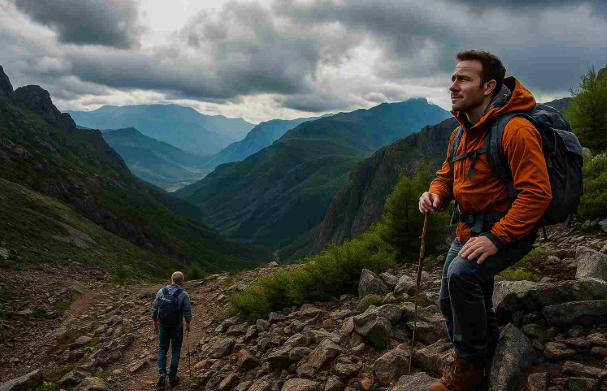
Mountain climbing offers a unique blend of challenge, adventure, and personal achievement. For outdoor enthusiasts researching lesser-known peaks, one question often arises: how hard is it to climb Timgoraho Mountain?
The answer depends on several factors, including your fitness level, hiking experience, weather conditions, route selection, and preparedness. While Timgoraho Mountain is not as internationally famous as Everest or Kilimanjaro, it presents its own set of challenges that should not be underestimated.
This comprehensive guide explores the difficulty of climbing Timgoraho Mountain, what hikers can expect on the trail, the skills required, common obstacles, safety considerations, and practical tips for reaching the summit successfully.
Quick Answer: How Hard Is It to Climb Timgoraho Mountain?
For most hikers, Timgoraho Mountain is considered a moderate to difficult climb.
Key factors influencing the difficulty include:
- Steep elevation gains
- Uneven and rugged terrain
- Variable weather conditions
- Potential navigation challenges
- Physical endurance requirements
- Limited facilities in remote sections
Experienced hikers with good fitness levels generally find the climb manageable. However, beginners may find certain sections physically demanding and technically challenging.
Difficulty Snapshot
| Factor | Rating |
| Physical Effort | Moderate to High |
| Technical Skills | Low to Moderate |
| Endurance Required | High |
| Navigation Complexity | Moderate |
| Weather Exposure | Moderate to High |
| Suitable for Beginners | With Preparation |
Understanding Timgoraho Mountain
Before assessing the climb’s difficulty, it is important to understand what makes Timgoraho Mountain unique.
The mountain attracts adventurers seeking:
- Scenic landscapes
- Natural wilderness
- Remote hiking experiences
- Challenging elevation gains
- Opportunities for photography and exploration
Unlike heavily commercialized mountain destinations, Timgoraho offers a more authentic outdoor experience, which can make the journey both rewarding and demanding.
What Makes Timgoraho Mountain Difficult?
Several factors contribute to the overall challenge of climbing Timgoraho Mountain.
1. Elevation Gain
One of the most significant challenges is the elevation increase.
As hikers ascend:
- Oxygen levels gradually decrease
- Breathing becomes more difficult
- Fatigue develops faster
- Recovery times increase
Even physically fit individuals may notice reduced stamina during steep sections.
2. Steep Terrain
Certain sections of the mountain feature:
- Sharp inclines
- Rocky slopes
- Loose gravel
- Narrow pathways
Steep terrain increases energy expenditure and requires careful footing.
Many hikers report that downhill sections can be equally challenging due to stress on the knees and ankles.
3. Long Hiking Hours
Reaching the summit often requires several hours of continuous movement.
Common challenges include:
- Muscle fatigue
- Dehydration
- Mental exhaustion
- Reduced concentration
Endurance becomes just as important as strength.
Is Timgoraho Mountain Technical to Climb?
A common concern among first-time hikers is whether special climbing equipment is necessary.
Generally, No
Most routes do not require advanced mountaineering skills such as:
- Ice climbing
- Rope work
- Rock climbing expertise
- Crampon use
However, some sections may require:
- Scrambling over rocks
- Using hands for balance
- Careful route selection
This places the mountain in the hiking and trekking category rather than technical mountaineering.
Fitness Level Needed for Timgoraho Mountain
If you’re asking how hard it is to climb Timgoraho Mountain, your physical condition is perhaps the biggest determining factor.
Recommended Fitness Benchmarks
You should ideally be able to:
- Hike for 5–8 hours comfortably
- Walk uphill continuously for extended periods
- Carry a backpack weighing 5–10 kilograms
- Recover quickly after strenuous activity
Helpful Training Activities
Preparation can include:
- Hiking local trails
- Stair climbing
- Running or jogging
- Cycling
- Strength training
- Core workouts
Even a few weeks of dedicated preparation can significantly improve your climbing experience.
Weather Challenges on Timgoraho Mountain
Weather often determines whether a climb feels easy or extremely difficult.
Potential Weather Conditions
Depending on the season, hikers may encounter:
- Heavy rainfall
- Strong winds
- Dense fog
- High humidity
- Intense sun exposure
- Cold temperatures at higher elevations
Poor weather can dramatically increase the difficulty level.
Why Weather Matters
Bad weather can lead to:
- Slippery trails
- Reduced visibility
- Navigation problems
- Increased risk of falls
- Faster fatigue
Checking forecasts before departure is essential.
Trail Conditions and Terrain
The terrain on Timgoraho Mountain varies significantly.
Lower Elevations
Hikers often encounter:
- Forest paths
- Dirt trails
- Vegetation-covered sections
These areas are generally easier to navigate.
Mid-Elevation Zones
The trail may become:
- Steeper
- Rockier
- More exposed
This is where most hikers begin to feel the physical demands of the climb.
Summit Areas
Higher elevations can include:
- Loose rocks
- Narrow ridges
- Wind exposure
- Uneven footing
Careful movement becomes increasingly important.
How Long Does It Take to Climb Timgoraho Mountain?
The time required depends on:
- Route selection
- Fitness level
- Weather
- Rest breaks
- Group size
Typical Time Estimates
| Experience Level | Estimated Time |
| Beginner | 8–12 Hours |
| Intermediate | 6–9 Hours |
| Experienced Hiker | 4–7 Hours |
Some climbers choose to split the journey into multiple days for a more relaxed experience.
Challenges Beginners Often Face
Many first-time climbers underestimate the demands of mountain hiking.
Common Beginner Mistakes
Starting Too Fast
Excitement often causes hikers to begin at an unsustainable pace.
This leads to:
- Early exhaustion
- Muscle fatigue
- Reduced performance later in the climb
Inadequate Hydration
Many hikers carry insufficient water.
Dehydration can cause:
- Headaches
- Dizziness
- Muscle cramps
- Reduced endurance
Poor Footwear
Improper shoes increase the risk of:
- Blisters
- Slipping
- Ankle injuries
Quality hiking boots make a significant difference.
Essential Gear for Climbing Timgoraho Mountain
Proper equipment can make the climb safer and more comfortable.
Clothing
Bring:
- Moisture-wicking shirts
- Hiking pants
- Waterproof jacket
- Extra layers
- Sun hat
Footwear
Choose:
- Hiking boots with ankle support
- Good grip soles
- Waterproof protection when possible
Safety Equipment
Recommended items include:
- First aid kit
- Headlamp
- Navigation tools
- Emergency whistle
- Power bank
Food and Water
Carry:
- Energy bars
- Nuts
- Dried fruits
- Electrolyte drinks
- Adequate water supplies
Mental Difficulty: The Hidden Challenge
Physical fitness is only part of the equation.
Many hikers find the mental aspect equally challenging.
Mental Obstacles
Common issues include:
- Fear of heights
- Fatigue-related frustration
- Loss of motivation
- Summit anxiety
Strategies for Staying Mentally Strong
- Focus on short-term goals
- Take regular breaks
- Stay hydrated
- Maintain a steady pace
- Avoid comparing yourself with faster hikers
Mental resilience often determines summit success.
Is Timgoraho Mountain Safe?
Generally, Timgoraho Mountain can be climbed safely with proper preparation.
Potential Risks
As with any mountain environment, hazards may include:
- Slips and falls
- Sudden weather changes
- Heat exhaustion
- Dehydration
- Navigation errors
Safety Recommendations
- Inform someone of your plans
- Hike with companions when possible
- Start early
- Monitor weather conditions
- Carry emergency supplies
Preparation greatly reduces risk.
Best Time to Climb Timgoraho Mountain
Choosing the right season can significantly affect the difficulty of the climb.
Ideal Conditions
Most hikers prefer periods with:
- Stable weather
- Clear visibility
- Moderate temperatures
- Dry trails
Avoid Extreme Conditions
Difficulties increase during:
- Heavy rain seasons
- Storm periods
- Excessively hot conditions
- High-wind events
Researching local seasonal patterns before planning a trip is highly recommended.
Comparing Timgoraho Mountain to Other Hiking Destinations
To better understand the challenge level, here’s a general comparison.
| Mountain Type | Relative Difficulty |
| Easy Nature Trail | Much Easier |
| Moderate Day Hike | Similar |
| Timgoraho Mountain | Moderate to Difficult |
| High-Altitude Trek | More Difficult |
| Technical Mountaineering Peak | Significantly Harder |
This comparison helps place Timgoraho in the category of serious hiking rather than extreme climbing.
Tips for Successfully Reaching the Summit
Train Before Your Trip
Build endurance gradually through regular exercise.
Start Early
Early starts help avoid:
- Afternoon weather changes
- Excessive heat
- Time pressure
Pace Yourself
A consistent pace is more effective than frequent bursts of speed.
Stay Fueled
Eat small amounts regularly throughout the hike.
Respect the Mountain
Never underestimate changing conditions.
Prepared hikers consistently have better outcomes.
Frequently Asked Questions
How hard is it to climb Timgoraho Mountain for beginners?
Beginners can climb Timgoraho Mountain, but they should prepare physically beforehand. The mountain’s steep sections and long hiking hours can be challenging for those with limited hiking experience.
Do you need climbing equipment for Timgoraho Mountain?
Most routes do not require technical climbing gear. Standard hiking equipment is usually sufficient, though trekking poles can be helpful.
How fit do you need to be to climb Timgoraho Mountain?
You should be capable of several hours of continuous hiking and moderate cardiovascular activity. Basic endurance training is strongly recommended.
Is Timgoraho Mountain dangerous?
Like any mountain, it carries risks. However, with proper planning, weather awareness, adequate supplies, and responsible decision-making, most hikers can complete the climb safely.
How long does the climb take?
Depending on the route and fitness level, the climb typically takes between 4 and 12 hours.
What is the hardest part of climbing Timgoraho Mountain?
Most hikers identify the steep elevation gains, fatigue accumulation, and changing weather conditions as the most challenging aspects of the climb.
Conclusion
So, how hard is it to climb Timgoraho Mountain? The most accurate answer is that it is a moderate-to-difficult mountain hike that rewards preparation, endurance, and determination.
While it generally does not require advanced technical climbing skills, the combination of elevation gain, rugged terrain, long hiking hours, and unpredictable weather can challenge even experienced hikers. Beginners can successfully reach the summit, but they should invest time in physical preparation, proper gear selection, and route planning.
For those willing to train, respect the mountain, and approach the climb responsibly, Timgoraho Mountain offers a memorable adventure, stunning scenery, and the satisfaction that comes from conquering a meaningful outdoor challenge.