Education plays an important role in shaping individuals, communities, and societies. It gives people the knowledge and skills they need to understand the world, make informed decisions, and work toward their goals. From early childhood learning to higher education and professional training, every stage of learning can influence a person’s future. In a rapidly changing world, education is not only about earning qualifications. It is also about developing confidence, critical thinking, communication skills, and the ability to adapt to new challenges.
Education Builds Knowledge and Understanding
One of the most obvious benefits of education is the opportunity to gain knowledge. Students learn about subjects such as mathematics, science, history, languages, technology, and social studies. These subjects help them understand how the world works and give them information they can use throughout their lives.
Knowledge also encourages curiosity. When students learn something new, they often become interested in asking questions and exploring ideas beyond their textbooks. This habit of curiosity can continue into adulthood and encourage lifelong learning.
A strong educational foundation can also help people understand information more carefully. In a world filled with online content, advertisements, opinions, and news, the ability to evaluate information is increasingly valuable.
Education Develops Important Life Skills
Education provides much more than academic knowledge. Students also develop practical skills that can help them handle everyday situations.
Communication is one example. Classroom discussions, presentations, group projects, and written assignments help students learn how to express their thoughts clearly. These abilities can become valuable later when communicating with colleagues, customers, employers, or other members of a community.
Education can also encourage time management and organization. Completing assignments, preparing for examinations, and meeting deadlines teach students how to manage responsibilities.
Problem-solving is another important skill. Students regularly encounter questions and challenges that require them to think carefully, consider different possibilities, and reach logical conclusions.
Education Creates Career Opportunities
A good education can open doors to a wide range of career opportunities. Many professions require specific academic qualifications, technical training, or professional certifications before someone can enter the field.
Education helps students discover their interests and understand different career paths. A student who enjoys biology may consider healthcare or scientific research, while someone interested in computers may explore software development, cybersecurity, or information technology.
Higher education and vocational training can provide specialized knowledge that prepares individuals for particular industries. However, education does not guarantee success by itself. Career growth also depends on experience, personal effort, communication, adaptability, and other factors.
Education Encourages Critical Thinking
Critical thinking is essential in both professional and personal life. It allows people to examine information, identify assumptions, compare evidence, and make thoughtful decisions.
A good educational environment encourages students to ask why and how rather than simply memorizing information. When students discuss different perspectives and solve complex problems, they learn to approach challenges from multiple angles.
These skills can be useful when making financial decisions, choosing a career, evaluating online information, or solving problems at work.
Education Builds Confidence
Confidence often develops when people gain knowledge and learn how to use it. Students who understand a subject may feel more comfortable participating in discussions, completing assignments, and taking on new challenges.
Education also gives people opportunities to discover their strengths. A student may find that they are particularly good at writing, mathematics, public speaking, design, science, or leadership.
Success in these areas can encourage students to believe in their abilities. Even when they experience failure, education can teach them that mistakes are opportunities to learn and improve.
Education Supports Personal Development
Personal development is another important part of education. Schools and educational institutions provide environments where students interact with people from different backgrounds and learn how to cooperate with others.
Group activities and classroom discussions can teach patience, teamwork, responsibility, and respect. Students also learn how to handle disagreements and communicate with people who may have different opinions.
These experiences can help young people become more independent and responsible adults.
Technology and the Future of Education
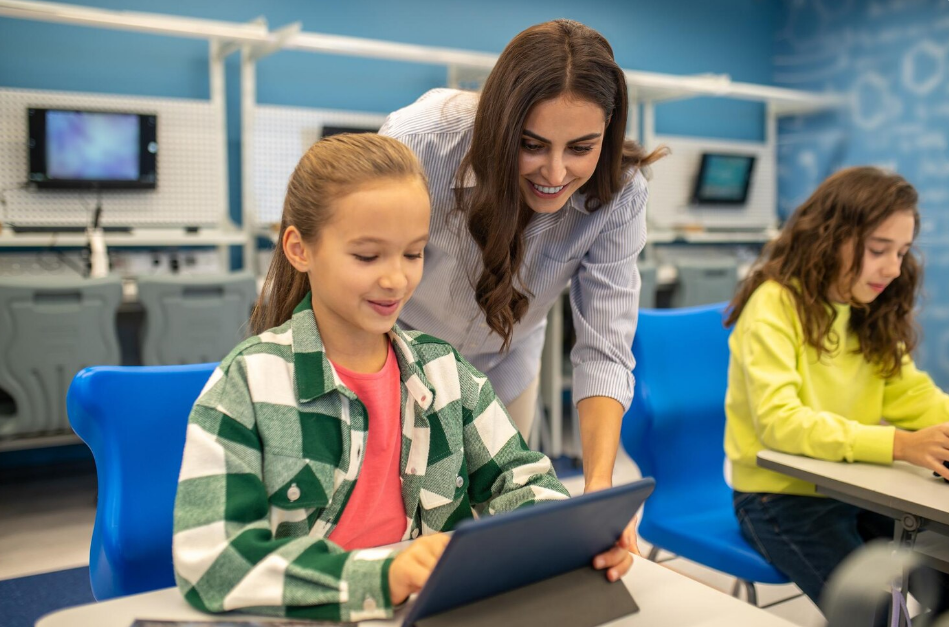
Technology has changed the way people access and share information. Students can now use online courses, educational videos, digital libraries, learning platforms, and interactive tools to supplement traditional classroom learning.
Online education can make learning more flexible. People who cannot attend traditional classes may have opportunities to study remotely according to their schedules.
At the same time, technology creates new challenges. Students need digital literacy and must learn how to identify reliable information. They also need to understand responsible technology use and maintain focus despite the many distractions available online.
The future of education will likely combine traditional teaching methods with increasingly sophisticated digital tools. Teachers will continue to play an important role by providing guidance, encouragement, feedback, and human connection.
Education Helps Communities Grow
The benefits of education extend beyond individual students. Educated communities can develop stronger economies, improved public awareness, and greater participation in civic life.
Education can help people understand important issues and participate more effectively in their communities. It can also encourage entrepreneurship by giving individuals the knowledge and skills needed to develop ideas into businesses or services.
When more people have access to quality learning opportunities, communities can benefit from a larger pool of skilled professionals, entrepreneurs, teachers, researchers, and other contributors.
The Role of Teachers and Families
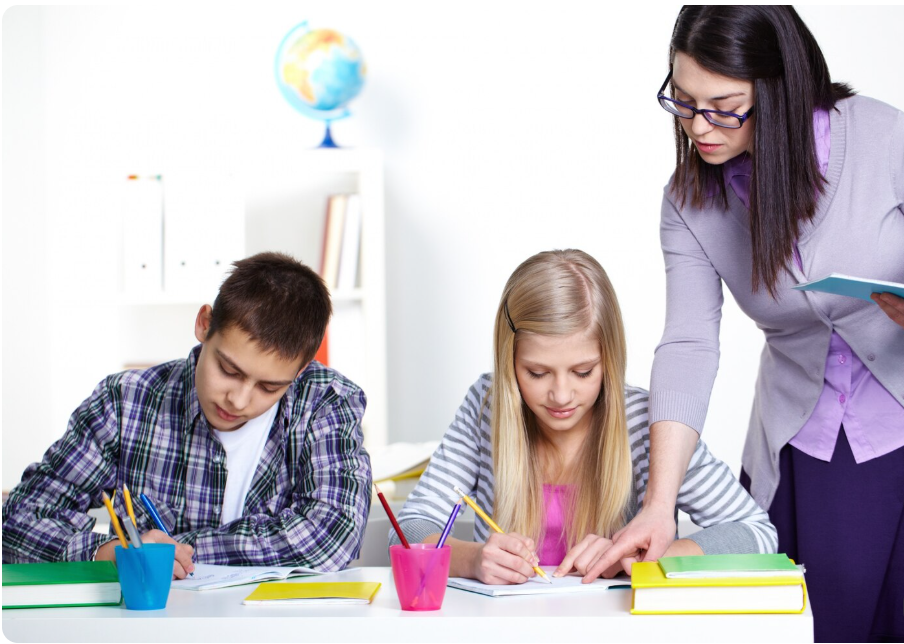
Teachers have a significant influence on students’ educational experiences. A good teacher does more than deliver information. Teachers can encourage curiosity, provide useful feedback, identify areas where students need support, and inspire learners to pursue their interests.
Families also play an important role. Support at home can encourage students to take education seriously and develop positive learning habits. Simple actions such as discussing schoolwork, creating a quiet place to study, and celebrating progress can make a meaningful difference.
When teachers, families, and communities work together, students are more likely to receive the support they need.
Education Is a Lifelong Journey
Learning does not end when a person graduates from school or college. Industries change, technology develops, and new knowledge becomes available every day. As a result, adults may need to learn new skills throughout their careers.
Professional courses, workshops, online programs, certifications, books, and practical experiences can all contribute to lifelong learning.
People who remain willing to learn may find it easier to adapt when their jobs or industries change. Continuous learning can also create opportunities for career advancement and personal growth.
Making Education More Accessible
Access to quality education remains an important challenge in many parts of the world. Factors such as financial difficulties, geographic location, limited educational resources, and lack of technology can affect a student’s ability to learn.
Improving access requires cooperation among governments, schools, communities, families, and organizations. Scholarships, digital learning resources, libraries, teacher training, and affordable educational programs can help create more opportunities.
Education becomes more powerful when people from different backgrounds have a fair opportunity to benefit from it.
Final Thoughts
Education is one of the strongest foundations for personal growth, career development, and social progress. It provides knowledge while also helping people develop communication, critical thinking, problem-solving, and adaptability.
A successful future is built through many factors, including hard work, experience, opportunity, and determination. Education can provide the foundation that helps people make better use of those opportunities.
Whether learning takes place in a classroom, online, at home, or through professional experience, the desire to keep learning can remain valuable throughout life. By investing in education today, individuals and communities can create stronger possibilities for tomorrow.