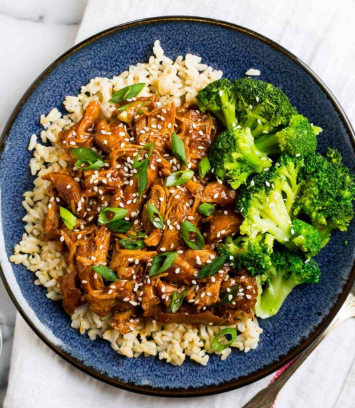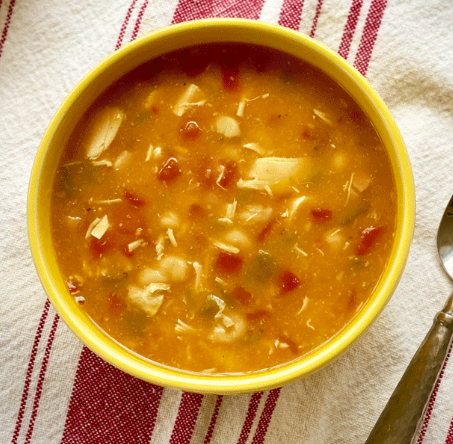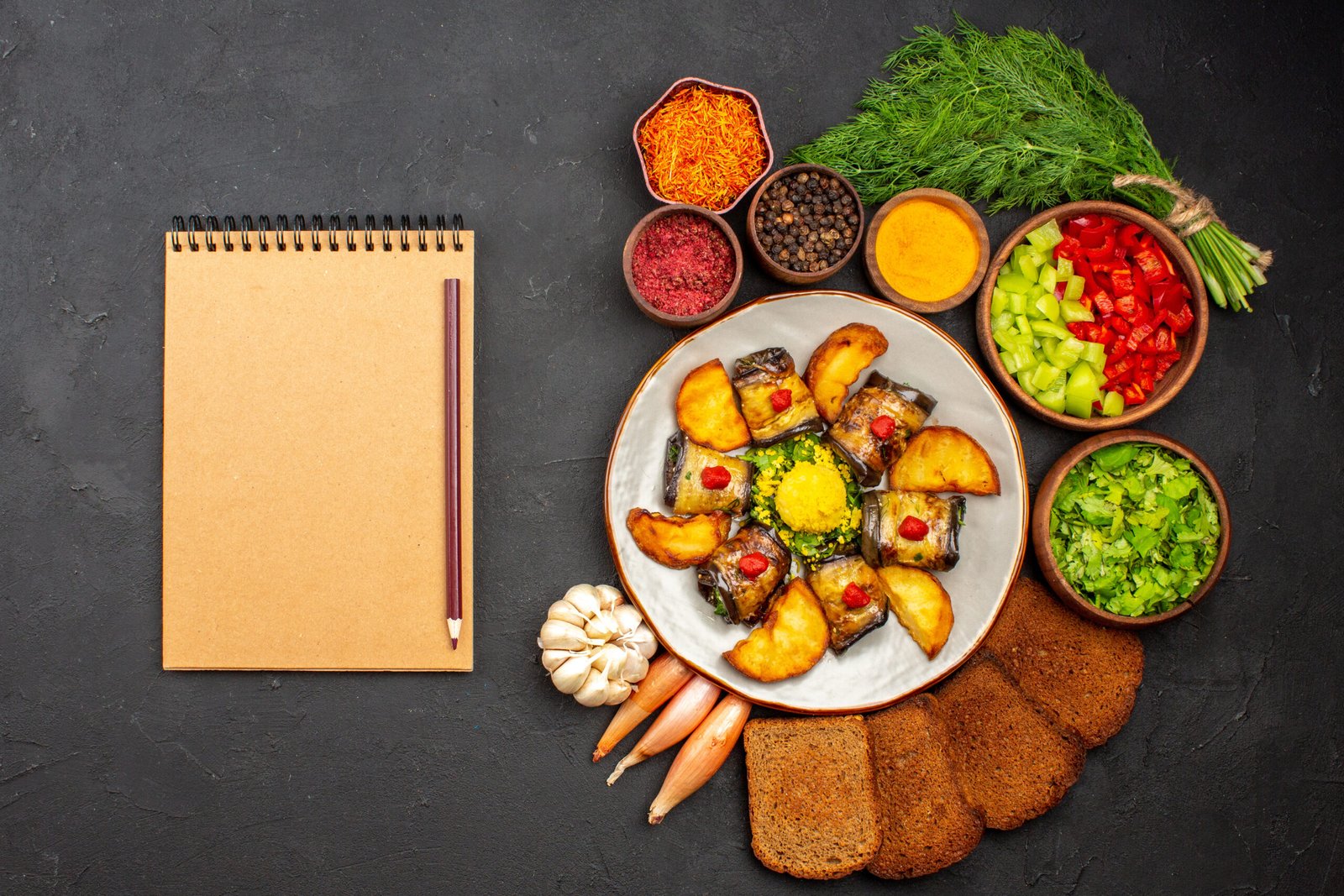
A good menu can turn an ordinary meal into an enjoyable food experience. Whether you are planning breakfast, lunch, dinner, a family gathering, a casual party, or a small celebration, having a variety of flavorful choices makes it easier to satisfy different tastes. menu for yummy yummy can refer to a collection of delicious food options designed to make meals more exciting, appealing, and enjoyable. A well-planned menu should include a balance of flavors, textures, colors, and portion sizes while giving diners enough choices without making the selection confusing. From comforting breakfast dishes and flavorful snacks to hearty main courses and tempting desserts, the right combination can create a menu that works for different occasions. Thoughtful planning also allows you to include familiar favorites alongside new dishes, making every meal feel both satisfying and interesting.
What Makes a Menu Yummy?
The word yummy usually suggests food that looks appealing, smells inviting, and delivers enjoyable flavors. While everyone has different preferences, several characteristics can make a menu more attractive.
Fresh ingredients, balanced seasoning, appealing presentation, and appropriate cooking methods can all contribute to a satisfying meal. A good menu also offers variety rather than repeating the same flavors across every dish.
For example, a meal can combine a light salad with a rich main course, a crispy appetizer with a soft entrée, or a sweet dessert with a refreshing beverage. Contrasting textures and flavors can make the overall dining experience more interesting.
Creating a Delicious Breakfast Menu
Breakfast provides an opportunity to start the day with foods that are both satisfying and enjoyable. A varied breakfast menu can include sweet and savory choices so that different preferences are accommodated.
Egg dishes are versatile and can be prepared as omelets, scrambled eggs, egg sandwiches, or breakfast wraps. Toast, pancakes, waffles, and French toast provide options for people who prefer sweeter breakfasts.
Fresh fruit can add color and freshness to the meal. Yogurt, oatmeal, smoothies, and cereals can provide lighter alternatives.
A well-balanced breakfast menu does not need to be complicated. A few carefully selected dishes can provide plenty of variety.
Tasty Lunch Ideas
Lunch menus can range from quick casual meals to more substantial dishes. Sandwiches, wraps, salads, soups, rice dishes, pasta, and grilled foods can all work well.
A sandwich menu might include grilled chicken, roasted vegetables, cheese, or other fillings. Wraps can provide similar variety while offering a different presentation.
Pasta is another flexible option because it can be prepared with tomato-based sauces, creamy sauces, vegetables, seafood, or meat.
For a lighter lunch, a fresh salad with a flavorful dressing can be combined with soup, grilled protein, or a small side dish.
Dinner Menu Ideas
Dinner is often the main meal of the day, so it can include more substantial options. Grilled chicken, roasted vegetables, rice dishes, pasta, seafood, curries, and other hearty meals can form the center of a dinner menu.
When preparing food for a group, it is helpful to include at least one familiar option. This can be accompanied by one or two dishes with different flavors for guests who enjoy trying new foods.
Side dishes can include roasted vegetables, salads, potatoes, rice, bread, or other complementary foods.
The goal is to create combinations in which the side dishes enhance rather than overpower the main course.
Appetizers and Snacks
Appetizers can make a meal more exciting before the main course arrives. They are especially useful for parties, gatherings, and casual dining.
Popular choices can include vegetable bites, grilled skewers, stuffed mushrooms, sandwiches cut into small portions, spring rolls, dips with bread or vegetables, and crispy snacks.
When planning appetizers, portion size is important. Small servings allow guests to try several options without becoming too full before the main meal.
A mixture of hot and cold appetizers can also provide more variety.
Vegetarian Food Choices
A delicious menu should provide satisfying vegetarian options rather than treating them as an afterthought.
Vegetarian dishes can include vegetable curries, pasta, rice bowls, grilled vegetables, stuffed peppers, salads, soups, sandwiches, and cheese-based dishes.
Beans, lentils, chickpeas, tofu, and other plant-based ingredients can add texture and substance to meals.
Color is also important. Combining green vegetables, red peppers, carrots, tomatoes, herbs, and other ingredients can make vegetarian dishes visually appealing.
Protein-Based Dishes
For guests who enjoy meat or seafood, protein-based dishes can provide the centerpiece of a meal.
Chicken can be grilled, roasted, baked, sautéed, or incorporated into pasta, wraps, salads, and rice dishes. Beef can be used in burgers, steaks, stir-fries, or other preparations.
Seafood offers another category of options, including grilled fish, shrimp dishes, seafood pasta, and other recipes.
The preparation method should complement the rest of the menu. A rich main dish may work better with lighter sides, while a simple grilled protein can be paired with flavorful sauces and hearty accompaniments.
Comfort Food Favorites
Comfort food can make a menu feel familiar and satisfying. Dishes such as creamy pasta, baked potatoes, grilled sandwiches, soups, casseroles, burgers, and homemade-style desserts can create a welcoming atmosphere.
Comfort foods are particularly useful for family meals because they often appeal to both adults and children.
However, familiar foods can still be presented creatively. Fresh herbs, colorful vegetables, attractive plating, or flavorful sauces can give classic dishes a more distinctive character.
Healthy and Fresh Menu Options
A delicious menu does not have to rely entirely on heavy or rich foods. Fresh ingredients can create flavorful dishes while providing variety.
Fresh salads can include leafy greens, vegetables, fruits, nuts, seeds, cheese, or grilled proteins. Grain bowls can combine vegetables, grains, legumes, and sauces.
Fresh fruit can be served as a snack, side dish, dessert, or smoothie ingredient.
Using herbs, citrus, spices, and homemade dressings can add flavor without making every dish overly rich.
Dessert Ideas
Dessert provides a sweet ending to a meal. A varied dessert menu can include cakes, cookies, brownies, puddings, fruit-based dishes, ice cream, pastries, or other sweet treats.
For gatherings, bite-sized desserts can be especially convenient because guests can sample several options.
Fresh fruit desserts can provide a lighter alternative to rich cakes and pastries. Chocolate-based desserts may appeal to guests who prefer something more indulgent.
Dessert presentation also matters. Simple garnishes, attractive plates, and appropriate portion sizes can make even a familiar dessert look more appealing.
Drinks to Complement the Menu
Beverages should complement the food rather than simply fill another space on the menu.
Water should generally be available, while additional options can include fresh juices, smoothies, iced tea, lemonade, coffee, tea, and specialty non-alcoholic drinks.
For a party, creating a signature beverage can make the menu feel more distinctive. Seasonal fruits, herbs, citrus, or sparkling water can be used to create refreshing combinations.
Hot beverages can work particularly well with breakfast and dessert menus.
Planning a Family-Friendly Menu
Family menus need to accommodate different ages and preferences. Children may prefer familiar foods, while adults may enjoy stronger flavors or more adventurous dishes.
Offering a combination of simple and flavorful options can help everyone find something enjoyable.
Mini sandwiches, pasta, grilled chicken, rice, vegetables, fruit, and simple desserts can provide flexible choices for younger diners.
Parents may also appreciate menus where healthier foods are presented in an appealing way rather than being treated as a separate category.
Menu Ideas for Parties
Party menus require foods that are easy to serve and share. Finger foods, appetizers, small sandwiches, skewers, salads, pizzas, pasta dishes, and bite-sized desserts can work well.
Buffet-style meals allow guests to choose their own portions and sample different dishes. For seated events, a smaller number of coordinated courses may create a more formal experience.
Consider the number of guests when selecting the menu. Dishes that can be prepared in advance can reduce stress during the event.
Seasonal Menu Planning
Seasonal ingredients can make menus feel fresher and more interesting. Summer menus may focus on salads, fresh fruit, grilled foods, chilled drinks, and lighter desserts.
Winter menus can feature soups, roasted vegetables, baked dishes, warm beverages, and hearty meals.
Spring and autumn provide opportunities to incorporate seasonal vegetables, fruits, herbs, and other ingredients.
Seasonal planning can also make it easier to vary the menu throughout the year.
Balancing Flavors and Textures
A strong menu should not contain too many dishes with identical characteristics. If every item is creamy, fried, spicy, or sweet, the meal can become repetitive.
Instead, combine different textures and flavors. Crispy appetizers can be followed by a soft main dish. Fresh salads can balance richer foods, while a light fruit dessert can provide contrast after a heavy meal.
Acidic flavors from citrus or vinegar can also help balance rich dishes.
Presentation Matters
People often begin experiencing a meal visually before tasting it. Attractive presentation can make food more inviting.
Colorful ingredients, clean plating, appropriate portions, and simple garnishes can improve presentation without requiring professional culinary skills.
For a buffet, arranging dishes logically can make it easier for guests to understand the available choices.
Even casual meals can benefit from thoughtful presentation.
Keeping the Menu Practical
A menu can look exciting on paper but become difficult to prepare if it contains too many complicated dishes.
When planning a meal, consider preparation time, cooking equipment, ingredient availability, storage, and serving requirements.
Choose a mixture of dishes that can be prepared in advance and dishes that require last-minute preparation. This can make hosting much easier.
It is also useful to avoid relying on ingredients that are difficult to find if the menu is being prepared for a large group.
Final Thoughts
A thoughtfully designed menu can make any meal more enjoyable by combining appealing flavors, varied textures, fresh ingredients, and dishes suited to the occasion. From breakfast favorites and satisfying lunches to family dinners, party snacks, desserts, and refreshing drinks, there are countless ways to create a memorable food experience. menu for yummy yummy can be approached as a flexible concept centered on delicious choices that appeal to different tastes and dining situations. The key is to avoid unnecessary complexity and focus on a balanced selection that looks inviting and tastes satisfying. Whether preparing food for family members, friends, guests, or a special event, thoughtful menu planning can turn simple ingredients into a meal that people genuinely look forward to enjoying.
Frequently Asked Questions
1. What should a good yummy food menu include?
A good menu can include a mixture of appetizers, main dishes, side dishes, beverages, and desserts while offering different flavors, textures, and dietary choices.
2. How can I make a menu more appealing?
Use colorful ingredients, varied textures, balanced flavors, attractive presentation, and a combination of familiar favorites and interesting new dishes.
3. What foods work well for a family-friendly menu?
Pasta, sandwiches, grilled chicken, rice dishes, vegetables, fruit, simple snacks, and familiar desserts can provide flexible choices for different family members.
4. How many dishes should I include on a party menu?
The number depends on the number of guests and the type of event. A smaller selection of well-prepared dishes is often easier to manage than too many complicated choices.
5. How can I create a balanced food menu?
Combine lighter and richer dishes, include different textures and flavors, offer suitable vegetarian choices, and select foods that complement one another rather than repeating the same ingredients or preparation styles.