Eating healthy does not mean giving up flavorful food or spending hours in the kitchen. With the right ingredients, simple cooking techniques, and a little planning, it is possible to prepare meals that are both nutritious and satisfying. A balanced approach to everyday eating can provide the energy you need while making mealtimes more enjoyable.
Whether you are cooking for yourself, your family, or a busy household, healthy meals can be simple and delicious. The key is to focus on fresh ingredients, balanced portions, and recipes that fit naturally into your routine.
Start With a Balanced Plate
A simple way to create a nutritious meal is to think about balance. Your plate can include vegetables or fruits, a source of protein, whole grains or other carbohydrates, and a moderate amount of healthy fats.
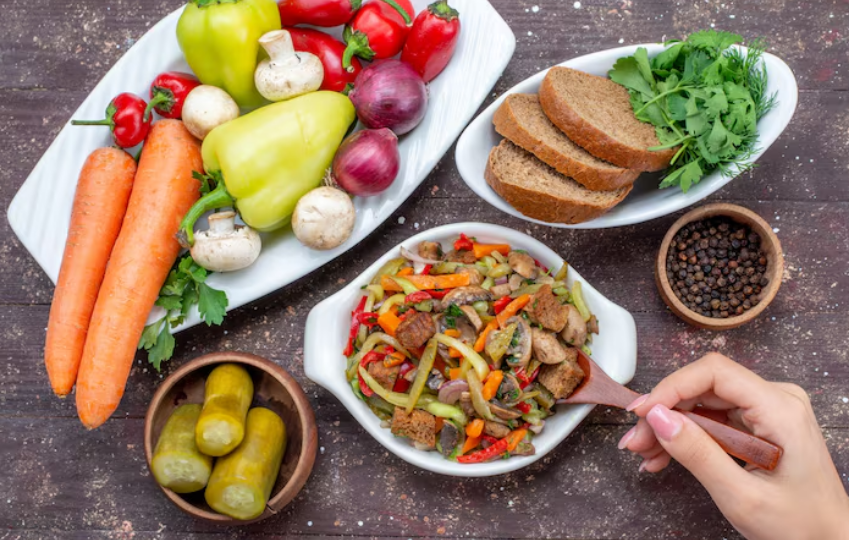
Vegetables are an excellent foundation because they provide important vitamins, minerals, and fiber. Leafy greens, carrots, tomatoes, peppers, broccoli, cauliflower, and other seasonal vegetables can add color and variety to meals.
Protein is another important part of a balanced diet. Depending on your preferences, you can choose eggs, beans, lentils, fish, chicken, tofu, yogurt, or other protein-rich foods.
Whole grains such as brown rice, oats, whole wheat bread, quinoa, and whole grain pasta can provide carbohydrates along with fiber and other nutrients.
Choose Fresh and Simple Ingredients
Healthy cooking does not require a long list of expensive ingredients. In many cases, simple foods can create excellent meals.
Keep basic ingredients available in your kitchen. Fresh vegetables, fruits, eggs, beans, lentils, rice, oats, whole grain products, herbs, spices, and lean protein can become the foundation for many recipes.
When shopping, try to choose a variety of colors. Different fruits and vegetables provide different nutrients, so eating a wide range can make meals more interesting while supporting a balanced diet.
Frozen vegetables and fruits can also be useful. They are convenient, have a long shelf life, and can make it easier to prepare nutritious meals when fresh produce is not available.
Make Breakfast Nutritious and Convenient
Breakfast can be simple without becoming boring. A good morning meal can combine protein, fiber, and carbohydrates to create a satisfying start to the day.
Oatmeal topped with fruit, nuts, or seeds is one easy option. Eggs with whole grain toast and vegetables can provide another balanced choice.
For busy mornings, yogurt with fruit and oats can be prepared quickly. Smoothies made with fruit, vegetables, yogurt, or milk can also be convenient.
The goal is not to create an elaborate breakfast every morning. Having a few reliable options makes it easier to maintain a consistent routine.
Prepare Simple Lunches
Lunch is often where healthy eating becomes difficult because of busy schedules. Preparing meals in advance can make the process easier.
A simple lunch might include grilled chicken, roasted vegetables, and rice. Another option could be a bean and vegetable bowl with whole grains and a flavorful dressing.
Salads can also become complete meals when you add protein and a satisfying carbohydrate source. Instead of relying only on lettuce, include ingredients such as beans, eggs, chicken, corn, tomatoes, cucumbers, carrots, or whole grains.
Homemade sandwiches can be another convenient choice. Whole grain bread combined with vegetables and a protein source can create a filling lunch without requiring complicated preparation.
Create Flavor With Herbs and Spices
Healthy food does not have to taste bland. Herbs and spices can completely change the flavor of a dish without requiring heavy sauces or excessive amounts of salt.
Garlic, ginger, cumin, paprika, black pepper, turmeric, basil, oregano, coriander, rosemary, and chili can add different flavors to vegetables, grains, soups, and proteins.
Fresh herbs can provide brightness to meals, while ingredients such as lemon juice or vinegar can add acidity and balance.
Experimenting with seasonings is a great way to discover new combinations and make familiar foods more exciting.
Keep Dinner Simple
Dinner does not need to involve complicated recipes. A simple combination of protein, vegetables, and carbohydrates can create a satisfying evening meal.
For example, baked fish with roasted vegetables and potatoes can be prepared with minimal effort. A vegetable and lentil curry served with rice can provide a flavorful option for people who enjoy plant-based meals.
Stir-fries are another practical choice. You can combine vegetables, tofu, chicken, or another protein with rice or noodles and season the dish with herbs, spices, or a suitable sauce.
Soups and stews are also useful because they can often be prepared in larger quantities and enjoyed over several meals.
Choose Healthier Cooking Methods
The way food is prepared can influence its nutritional profile and overall calorie content. Cooking methods such as baking, steaming, grilling, roasting, and sautéing can help create flavorful meals without relying heavily on added fats.
Steaming works particularly well for vegetables because it is quick and simple. Roasting can bring out natural flavors and create appealing textures.
Grilling can add a smoky flavor to vegetables and protein. Baking is another versatile method that works for fish, chicken, vegetables, and many other foods.
You do not need to avoid every cooking method that uses oil. Instead, focus on reasonable portions and choose ingredients that support your overall eating pattern.
Plan Meals Before You Shop
Meal planning can save time, reduce food waste, and make healthy eating easier.
Before going grocery shopping, think about the meals you expect to prepare during the week. Write down the ingredients you need and check your kitchen before buying more.
Planning does not mean every meal needs to be scheduled perfectly. Even having a general idea of several breakfasts, lunches, and dinners can reduce the temptation to rely on less nutritious convenience foods.
You can also prepare certain ingredients in advance. Washing vegetables, cooking grains, preparing beans, or portioning ingredients can make weekday cooking much faster.
Enjoy Healthy Snacks
Snacks can be part of a balanced eating routine. The key is choosing foods that provide useful nutrients and help satisfy hunger.
Fresh fruit, yogurt, nuts, seeds, boiled eggs, vegetables with hummus, or whole grain crackers can be convenient options.
Keep portions in mind, particularly with foods such as nuts and seeds, which are nutritious but energy-dense.
Having healthier snacks available can make it easier to avoid automatically reaching for highly processed foods when hunger appears between meals.
Drink Enough Water
Healthy eating is not only about food. Staying hydrated is also important for overall well-being.
Water is a simple choice throughout the day. You can also add lemon, cucumber, mint, or fruit for extra flavor if plain water feels boring.
Sugary drinks can add significant amounts of sugar to the diet without providing the same nutritional value as whole foods. Choosing water more often can be a simple improvement to your daily routine.
Make Healthy Eating Sustainable
The most effective eating routine is one that you can maintain. You do not need to completely eliminate your favorite foods or follow strict rules.
Enjoying an occasional dessert, restaurant meal, or favorite comfort food can fit into a balanced lifestyle. What matters is your overall eating pattern rather than one individual meal.
Try making gradual changes. Add an extra serving of vegetables, choose whole grains more often, cook at home a few additional times each week, or experiment with a new healthy recipe.
Over time, these small changes can become normal parts of your routine.
Final Thoughts
Healthy everyday meals can be flavorful, affordable, and surprisingly simple. By choosing a variety of fresh ingredients, balancing your plate, using herbs and spices, planning meals, and experimenting with different cooking methods, you can create food that supports both nutrition and enjoyment.
The best approach is not about perfection. It is about finding meals you genuinely enjoy and creating habits that work with your lifestyle. When nutritious food becomes part of your normal routine, healthy eating can feel less like a challenge and more like an enjoyable part of everyday life.