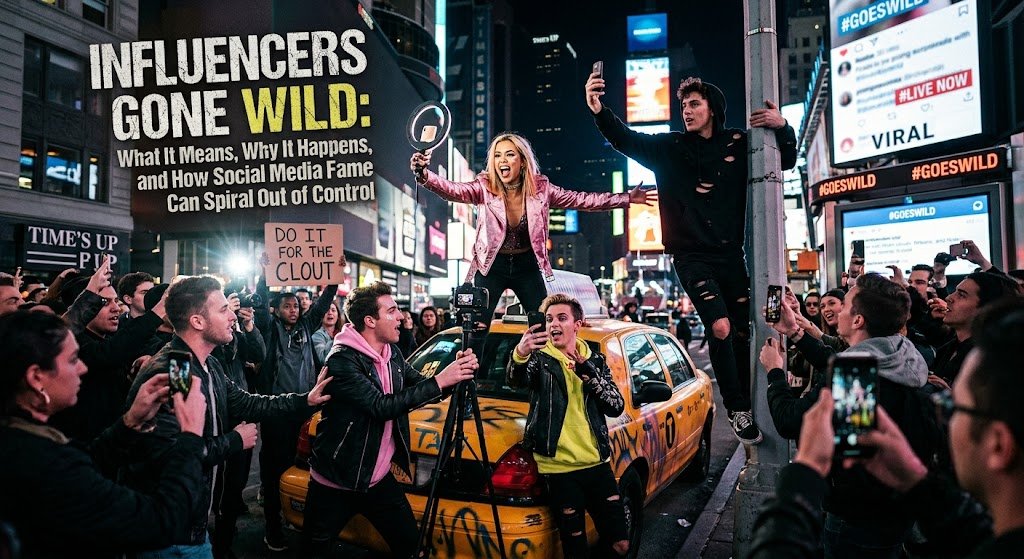
The phrase “influencers gone wild“ has become one of the internet’s favorite ways to describe social media personalities who suddenly find themselves at the center of controversy. Whether it’s a poorly judged publicity stunt, offensive comments resurfacing, misleading promotions, public meltdowns, or reckless behavior captured on camera, these incidents spread across the internet at incredible speed.
But the reality is far more complex than viral headlines suggest.
Not every controversy ends a career. Some influencers recover, rebuild trust, and return stronger than before. Others lose sponsorships, followers, credibility, and even legal opportunities. The difference usually comes down to accountability, transparency, and how they respond after mistakes.
In this comprehensive guide, we’ll explore exactly what influencers gone wild means, why these situations happen so frequently, how social media platforms amplify controversy, and what creators, brands, and audiences can learn from these high-profile incidents.
What Does “Influencers Gone Wild” Mean?
The phrase influencers gone wild generally refers to situations where online creators engage in behavior that attracts widespread criticism or public attention.
This can include:
- Public arguments or online feuds
- Offensive or insensitive content
- Dangerous social media challenges
- Fake giveaways
- Misleading advertising
- Luxury lifestyle exaggerations
- Legal disputes
- Ethical scandals
- Public meltdowns during livestreams
- Reckless pranks
Importantly, the phrase doesn’t always imply illegal behavior. Often, it simply describes moments where an influencer’s actions appear shocking, controversial, or dramatically different from the image they normally present.
Why Do Influencer Controversies Spread So Quickly?
Social media algorithms reward engagement.
Unfortunately, controversy generates enormous engagement.
When audiences react with comments like:
- “Did you see this?”
- “I can’t believe they posted that.”
- “This is unbelievable.”
- “They’re getting canceled.”
Algorithms interpret this activity as valuable content and push it to even larger audiences.
This creates a cycle:
- An influencer posts controversial content.
- Followers react emotionally.
- Shares increase.
- News outlets cover it.
- Other creators respond.
- The controversy reaches millions.
In many cases, people who never followed the creator become aware of them because of the scandal.
The Psychology Behind Influencers Going Too Far
Constant Pressure to Stay Relevant
Content creators compete for attention every day.
Unlike traditional celebrities, many influencers depend on:
- Daily uploads
- Viral moments
- Consistent engagement
- Brand partnerships
- Affiliate sales
As competition increases, some creators begin taking greater risks to remain visible.
Eventually, shocking content may seem like the easiest way to capture attention.
Validation Through Metrics
Likes, views, comments, and shares become measurable indicators of success.
Over time, creators may unconsciously connect personal worth with:
- Follower growth
- Viral videos
- Trending hashtags
- Engagement rates
This pressure can encourage increasingly extreme behavior.
Audience Expectations
Many influencers feel trapped by the persona they’ve built.
If followers expect:
- Constant excitement
- Luxury lifestyles
- Drama
- Humor
- Bold opinions
the creator may struggle to maintain authenticity.
This pressure sometimes results in exaggerated or reckless content.
Common Types of Influencer Controversies
1. Misleading Promotions
One of the biggest criticisms involves promoting products without proper research.
Examples include:
- Questionable investment opportunities
- Poor-quality supplements
- Misleading beauty products
- Unrealistic health claims
Audiences expect influencers to recommend products honestly.
When trust is broken, backlash usually follows.
2. Offensive Statements
Old tweets, videos, or livestream clips frequently resurface.
Even comments made years earlier can damage an influencer’s reputation if they conflict with today’s social expectations.
The internet rarely forgets.
3. Dangerous Viral Challenges
Some creators push physical boundaries to generate views.
Examples include:
- Trespassing
- Unsafe driving
- Public pranks
- Dangerous stunts
- Risky dares
These actions often receive criticism because younger audiences may imitate them.
4. Fake Giveaways
Fake giveaways have damaged trust across multiple platforms.
Common warning signs include:
- Winners never announced
- Impossible entry requirements
- Engagement farming
- Hidden advertising
Authentic giveaways remain transparent from start to finish.
5. Luxury Lifestyle Deception
Some influencers create unrealistic images of wealth by:
- Renting luxury cars
- Borrowing designer clothing
- Using staged private jet photos
- Editing expensive vacations
While aspirational content isn’t inherently wrong, misleading audiences can damage credibility.
How Brands Respond to Influencer Scandals
Companies invest heavily in influencer marketing.
When controversies arise, brands quickly assess potential risks.
Possible responses include:
- Pausing campaigns
- Ending sponsorship agreements
- Removing promotional content
- Issuing public statements
- Reviewing future partnerships
Brand reputation often outweighs campaign performance.
The Financial Impact of Going Viral for the Wrong Reasons
Many people assume all publicity is good publicity.
In reality, influencer controversies can be expensive.
Potential losses include:
- Lost sponsorships
- Declining affiliate revenue
- Reduced merchandise sales
- Platform demonetization
- Decreased ad income
- Subscriber loss
Some creators recover.
Others never regain their previous audience.
Can Influencers Recover After Public Backlash?
Yes but recovery depends on several factors.
Successful reputation rebuilding often includes:
Accepting Responsibility
Audiences usually respond better when influencers acknowledge mistakes rather than deny them.
Genuine Apologies
Effective apologies avoid excuses.
Instead, they explain:
- What happened
- Why it was wrong
- What has changed
Demonstrating Growth
Words alone rarely restore trust.
Consistent behavior over time matters far more.
The Role of Social Media Algorithms
Algorithms don’t distinguish between positive and negative engagement.
They prioritize activity.
That means:
- Outrage spreads quickly.
- Debates increase visibility.
- Emotional reactions boost reach.
- Controversial posts often outperform ordinary content.
This explains why influencer scandals can dominate timelines for days or even weeks.
Lessons Every Content Creator Should Learn
Whether you’re an aspiring influencer or an experienced creator, several important lessons emerge from high-profile controversies.
Think Before Posting
Ask yourself:
- Could this be misunderstood?
- Is it respectful?
- Would I still stand by this years later?
A few extra minutes of reflection can prevent long-term damage.
Be Transparent
Always disclose:
- Sponsored content
- Affiliate relationships
- Paid partnerships
- Product testing limitations
Transparency builds trust.
Value Long-Term Reputation
Short-term viral success rarely outweighs long-term credibility.
Creators who consistently provide value often experience more sustainable growth.
Don’t Chase Every Trend
Not every viral challenge aligns with your brand.
Choose trends carefully.
Your audience will appreciate authenticity more than constant participation.
What Audiences Should Remember
Consumers also play an important role.
Before believing viral stories:
- Verify information.
- Watch original videos.
- Consider context.
- Avoid spreading misinformation.
- Separate rumors from confirmed facts.
Not every headline tells the full story.
Are Influencer Controversies Becoming More Common?
It may seem that way.
However, two major factors contribute to this perception:
More Creators Exist
Millions of people now produce content professionally.
With larger numbers naturally come more controversies.
Information Travels Faster
A mistake that once remained local can now become international news within hours.
Every smartphone user effectively acts as both a viewer and publisher.
The Future of Influencer Accountability
Social media continues evolving.
Future trends likely include:
- Greater advertising transparency
- Stronger disclosure requirements
- Improved fact-checking
- Better creator education
- Increased audience expectations
- More sophisticated brand vetting
As influencer marketing matures, accountability is becoming just as valuable as creativity.
Best Practices for Aspiring Influencers
If you’re building your own online presence, consider these principles:
- Focus on providing genuine value.
- Verify information before sharing it.
- Treat followers with respect.
- Be honest about sponsorships.
- Maintain consistency between your online and offline behavior.
- Protect your reputation more carefully than your follower count.
- Learn from others’ mistakes rather than repeating them.
A trusted reputation often becomes a creator’s greatest competitive advantage.
Conclusion
The phenomenon known as influencers gone wild is ultimately a reflection of today’s attention-driven digital culture. As social media platforms reward engagement, creators face constant pressure to produce content that stands out. Sometimes that pressure results in innovation and creativity. Other times, it leads to controversy, damaged reputations, and lasting consequences.
For audiences, these incidents serve as reminders to evaluate online content critically rather than reacting solely to sensational headlines. For brands, they reinforce the importance of partnering with trustworthy creators who demonstrate consistent professionalism. And for influencers themselves, they highlight a simple but powerful truth: authenticity, accountability, and ethical decision-making are far more valuable than short-lived viral fame.
In an online world where every post can be captured, shared, and analyzed within minutes, long-term success belongs to creators who prioritize trust over shock value. While controversies may generate temporary attention, genuine credibility remains the foundation of lasting influence.
Frequently Asked Questions (FAQ)
What does “influencers gone wild” mean?
It generally refers to influencers involved in controversial, reckless, or highly publicized behavior that attracts widespread online attention.
Why do influencers become controversial?
Common reasons include poor judgment, misleading promotions, offensive remarks, risky stunts, online feuds, and the pressure to remain relevant in a competitive digital environment.
Do influencer scandals permanently damage careers?
Not always. Many creators recover through accountability, transparency, consistent improvement, and rebuilding audience trust over time.
Why do controversial influencer posts go viral?
Social media algorithms prioritize engagement. Emotional reactions, comments, and shares increase visibility regardless of whether the attention is positive or negative.
How can brands avoid influencer controversies?
Brands should perform thorough background research, review previous content, monitor public sentiment, establish clear partnership guidelines, and choose creators whose values align with their own.
What can new influencers learn from these situations?
The biggest lesson is that credibility lasts longer than viral fame. Ethical behavior, honest communication, and responsible content creation build stronger, more sustainable careers.