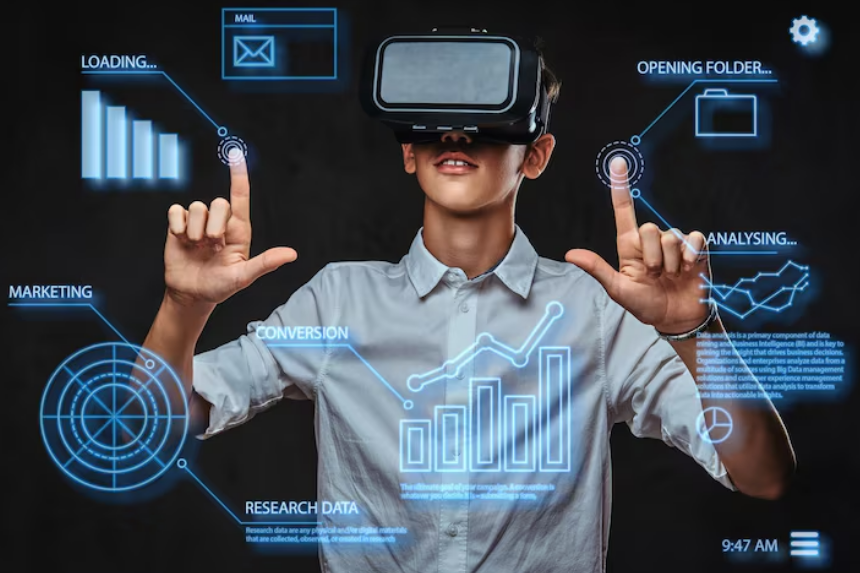
Technology has become one of the biggest forces shaping modern life. From smartphones and cloud computing to artificial intelligence and connected devices, digital innovation continues to change how people work, communicate, travel, learn, and entertain themselves. What once seemed like science fiction is increasingly becoming part of everyday life.
As technology continues to develop, the coming years are expected to bring even more significant changes. Businesses, governments, schools, and individuals will need to adapt to new tools and new ways of solving problems. Understanding the major technology trends can help us prepare for a future that will be more connected, automated, and digitally driven.
Artificial Intelligence Will Become More Powerful
Artificial intelligence is already influencing many industries, and its role is expected to expand. AI systems can analyze information, recognize patterns, generate content, assist with customer service, and support decision-making.
In the future, AI could become a regular part of workplaces and personal technology. Businesses may use intelligent systems to automate repetitive tasks, analyze large amounts of data, and provide more personalized services.
AI may also transform education. Students could receive customized learning support based on their individual strengths and weaknesses. Teachers could use intelligent tools to organize educational resources, evaluate assignments, and identify areas where students need additional help.
However, the growth of AI will also create important discussions about privacy, employment, accuracy, and responsible use. Human judgment will remain important as organizations determine how these systems should be used.
The Internet of Things Will Connect More Devices
The Internet of Things, commonly known as IoT, refers to physical devices that connect to the internet and exchange information. Smart watches, security cameras, home appliances, vehicles, and industrial equipment are examples of connected technology.
As connectivity improves, more devices will communicate with each other. Smart homes may automatically adjust lighting, temperature, and security settings based on user preferences.
Businesses can also benefit from connected equipment. Factories may use sensors to monitor machinery and detect potential problems before expensive failures occur. Transportation companies can track vehicles and improve delivery routes using real-time information.
The continued development of IoT will make technology more integrated into everyday environments.
Cloud Computing Will Continue to Grow
Cloud computing has changed how people store information and use software. Instead of depending entirely on local computers, users can access applications, files, and services through internet-based platforms.
This trend is expected to continue as businesses increasingly rely on flexible digital infrastructure. Cloud technology allows organizations to scale resources according to their needs and supports remote collaboration.
For individuals, cloud services make it easier to access documents, photographs, and other information from multiple devices. As internet connectivity becomes more reliable, cloud-based services will likely become even more common.
Security will remain a major priority. Companies will need strong protection systems to safeguard sensitive information stored and processed through cloud platforms.
5G and Future Networks Will Improve Connectivity
Fast and reliable connectivity is essential for many emerging technologies. The expansion of advanced mobile networks will support faster communication between devices and users.
Better connectivity can improve video communication, online learning, mobile applications, smart cities, and connected vehicles. It can also support technologies that require rapid data transfer and low response times.
In areas where reliable internet access remains limited, improved connectivity could create new opportunities for education, business, healthcare, and communication.
Future networks may also play an important role in connecting billions of devices as the digital ecosystem expands.
Robotics Will Transform Work and Industry
Robotics has been used in manufacturing for decades, but modern robots are becoming increasingly capable and adaptable.
Businesses may use robots for warehouse operations, manufacturing, logistics, agriculture, and other physically demanding tasks. Advances in sensors and artificial intelligence are helping machines operate in more complex environments.
Robots could also support healthcare professionals, assist older adults, and perform dangerous tasks in environments that may be unsafe for humans.
The growth of robotics does not necessarily mean that humans will disappear from the workplace. Instead, many jobs may change as people work alongside automated systems. Skills involving creativity, communication, critical thinking, and problem-solving may become increasingly valuable.
Virtual and Augmented Reality Will Expand
Virtual reality and augmented reality have moved beyond gaming. These technologies can create immersive digital experiences and place digital information into real-world environments.
Education could benefit from virtual environments that allow students to explore historical locations, scientific concepts, or complex machinery without being physically present.
Businesses may use augmented reality for product demonstrations, employee training, maintenance, and design. Consumers could eventually use these technologies for shopping, entertainment, travel planning, and communication.
As hardware becomes more comfortable and affordable, immersive technology may become a more familiar part of digital life.
Cybersecurity Will Become More Important
As society becomes more dependent on technology, cybersecurity will become increasingly important. More connected devices and digital services also create more opportunities for cyberattacks.
Organizations will need to protect customer information, financial data, business systems, and critical infrastructure. Individuals will also need to develop better digital security habits.
Future cybersecurity systems may use artificial intelligence to identify unusual activity and respond to potential threats more quickly. Strong passwords, multi-factor authentication, software updates, and careful online behavior will remain important defenses.
Cybersecurity will not simply be an issue for technology companies. It will become a responsibility shared by businesses, governments, and everyday users.
Green Technology Will Shape Sustainable Development
Technology will also play an important role in addressing environmental challenges. Renewable energy, electric vehicles, energy-efficient buildings, and smart power systems are examples of innovations designed to reduce environmental impact.
Future developments may improve battery storage, solar energy, electric transportation, and energy management. Smart systems can help businesses and households understand how they consume energy and identify ways to reduce waste.
Technology alone cannot solve environmental problems, but it can provide tools that support more efficient and sustainable practices.
Technology Will Change Education and Healthcare
Education and healthcare are two areas where technology can create significant improvements.
Online learning platforms allow students to access educational materials from almost anywhere. Digital tools can support personalized learning and make educational resources available to a wider audience.
Healthcare technology is also advancing through digital records, remote consultations, wearable devices, medical imaging, and data analysis. These tools can help healthcare professionals monitor patients and make better-informed decisions.
The challenge will be ensuring that technological progress remains accessible and that personal information is handled responsibly.
The Human Side of Technological Progress
While technological innovation offers many benefits, society must also consider its challenges. Automation can change employment patterns, digital platforms can affect privacy, and excessive screen use can influence social behavior and well-being.
The future should not be measured only by how advanced technology becomes. It should also be measured by how effectively technology improves people’s lives.
Digital literacy will become increasingly important. People will need to understand not only how to use new technologies but also how to evaluate information, protect personal data, and make responsible digital decisions.
Final Thoughts
The future of technology is likely to bring major changes across nearly every part of society. Artificial intelligence, connected devices, cloud computing, advanced networks, robotics, immersive experiences, cybersecurity, and green technology will continue to influence how people live and work.
Some developments will create opportunities, while others will introduce challenges that require careful planning and responsible decision-making. The most successful approach will be to embrace useful innovation while keeping human needs, security, privacy, and sustainability at the center.
Technology will continue to evolve, but its greatest value will come from how people choose to use it to create a smarter, safer, and more connected world.