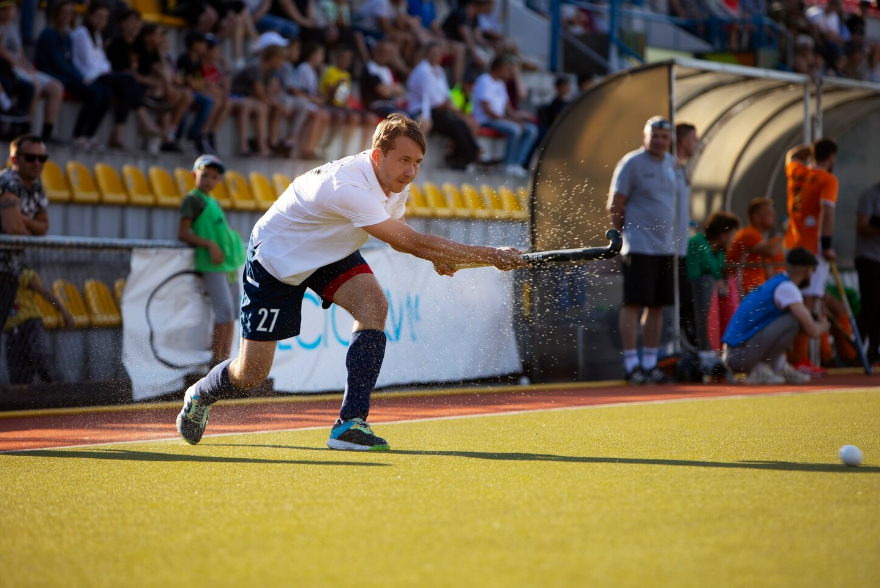
Sports have been part of human culture for thousands of years. From simple physical contests in ancient communities to highly organized international competitions watched by millions of people, sports have changed dramatically over time. What began as activities connected to survival, celebration, and community traditions has developed into a global industry involving professional athletes, advanced technology, massive stadiums, and worldwide audiences.
The history of sports reflects changes in society itself. As communities developed, traditional games became more organized, rules became clearer, and competitions became increasingly competitive. Today, sports are not only a form of entertainment but also an important part of health, education, culture, and business.
The Origins of Traditional Sports
Many traditional sports developed from activities that were important to everyday life. Running, throwing, wrestling, swimming, horse riding, and archery were often connected to hunting, warfare, transportation, and physical preparation.
Ancient communities used games and physical competitions to test strength, speed, endurance, and skill. These activities also provided opportunities for people to gather and celebrate important events.
Ancient civilizations created some of the earliest organized sporting competitions. In Greece, athletic contests became closely associated with festivals and religious celebrations. Competitors participated in events such as running, wrestling, boxing, and chariot racing.
Other civilizations developed their own sporting traditions. Different forms of ball games, martial arts, wrestling, and racing appeared across Asia, Africa, Europe, and the Americas. Many of these traditional activities continue to influence sports played today.
The Rise of Organized Competition
As societies became more structured, sports gradually moved from informal activities toward organized competitions. Rules were introduced to make contests fairer and easier to understand.
This development was particularly noticeable in Europe during the nineteenth century. Schools, universities, clubs, and local organizations began creating standardized rules for popular sports.
Football, cricket, rugby, tennis, athletics, and other sports became increasingly organized during this period. Clubs started competing against one another, while governing organizations were established to oversee rules and competitions.
Standardized rules played a major role in making sports easier to follow. Instead of every community playing a slightly different version of a game, athletes could compete under a common set of regulations.
The Birth of Modern Sports
The nineteenth and early twentieth centuries were important periods in the development of modern sports. Sporting organizations expanded, national competitions became more common, and international contests began attracting greater attention.
The revival of the modern Olympic Games was another major development. The Olympics helped create an international platform where athletes from different countries could compete.
Sports gradually became more than local entertainment. Newspapers and later radio allowed fans to follow competitions beyond their own communities. This helped create athletes who were recognized by large audiences.
The growth of transportation also made international competition easier. Teams and athletes could travel greater distances to participate in tournaments, creating stronger connections between different sporting cultures.
How Technology Changed Sports
Technology has transformed nearly every part of modern competition. Equipment has become lighter, stronger, and more carefully designed. Training methods have also changed as athletes and coaches gain access to scientific research and performance data.
Modern athletes can use wearable devices to monitor movement, heart rate, training intensity, and other performance indicators. Coaches can analyze video footage to identify strengths, weaknesses, and tactical opportunities.
Technology has also changed how competitions are judged. Electronic timing systems can measure performances with remarkable precision. Video review systems can help officials examine important decisions during games.
Stadiums have evolved as well. Modern venues often feature large screens, advanced lighting, improved seating, sophisticated broadcasting systems, and facilities designed to improve the experience for both spectators and athletes.
The Growth of Professional Sports
Professional sports have become a major part of the global entertainment industry. Successful leagues and tournaments attract enormous audiences through television, streaming platforms, social media, and digital media.
Athletes can now build professional careers around their sporting abilities. Sponsorships, endorsements, merchandise, broadcasting rights, and ticket sales have created significant financial opportunities.
Professional sports have also created careers beyond athletes. Coaches, referees, sports journalists, physiotherapists, fitness trainers, analysts, broadcasters, photographers, and sports managers all contribute to the modern sporting ecosystem.
The business side of sports continues to grow as organizations search for new ways to engage fans and expand their audiences.
The Influence of Media
Media has played a crucial role in transforming sports into a global phenomenon. Newspapers first brought detailed sporting reports to larger audiences. Radio allowed fans to follow live events without being physically present.
Television took sports broadcasting to another level. Fans could watch major competitions from their homes and develop connections with athletes and teams from different countries.
Today, social media and streaming platforms have made sports even more accessible. Fans can watch highlights, follow live updates, interact with athletes, and discuss matches with people around the world.
This constant connection has changed how athletes build their public identities. A successful athlete can now communicate directly with fans without depending entirely on traditional media.
Women and the Expansion of Sports
The development of modern sports has also included greater participation by women. Historically, women faced significant restrictions in many sporting competitions. Over time, opportunities expanded through schools, clubs, national programs, and international organizations.
Women’s competitions now exist across almost every major sport. Female athletes have become influential figures who inspire younger generations to participate in physical activity and competitive sports.
Although challenges remain in areas such as equal pay, media coverage, sponsorship, and access to facilities, the growing visibility of women’s sports represents an important change in sporting culture.
The Role of Sports in Society
Sports influence society in ways that extend beyond competition. They can encourage physical fitness, discipline, teamwork, confidence, and perseverance.
Young people often learn valuable lessons through participation in sports. Training teaches commitment, while competition can teach athletes how to handle both success and disappointment.
Sports can also bring communities together. Local tournaments, school competitions, national championships, and international events create shared experiences among people with different backgrounds.
Major sporting events can become important cultural moments, with fans supporting athletes and teams as representatives of their communities or countries.
What the Future of Sports May Look Like
The evolution of sports is far from finished. New technology will likely continue changing how athletes train, compete, and recover.
Artificial intelligence, advanced analytics, virtual reality, wearable technology, and improved equipment could play increasingly important roles. Data may help coaches make more informed decisions and allow athletes to understand their performance in greater detail.
The way fans watch sports may also continue to change. Streaming services, interactive broadcasts, virtual experiences, and personalized content could make competitions more engaging.
At the same time, traditional sports will continue to maintain their cultural importance. The excitement of watching athletes compete, the emotions of supporting a team, and the value of physical competition are unlikely to disappear.
Final Thoughts
The journey from traditional games to modern competition shows how deeply sports are connected to human development. Ancient physical contests created foundations that eventually became organized games, professional leagues, and international competitions.
Today, sports combine tradition with technology, entertainment with business, and individual achievement with community identity. As society continues to change, sports will change alongside it. Yet the basic appeal remains the same: people enjoy testing their abilities, competing with others, celebrating achievement, and sharing unforgettable moments.