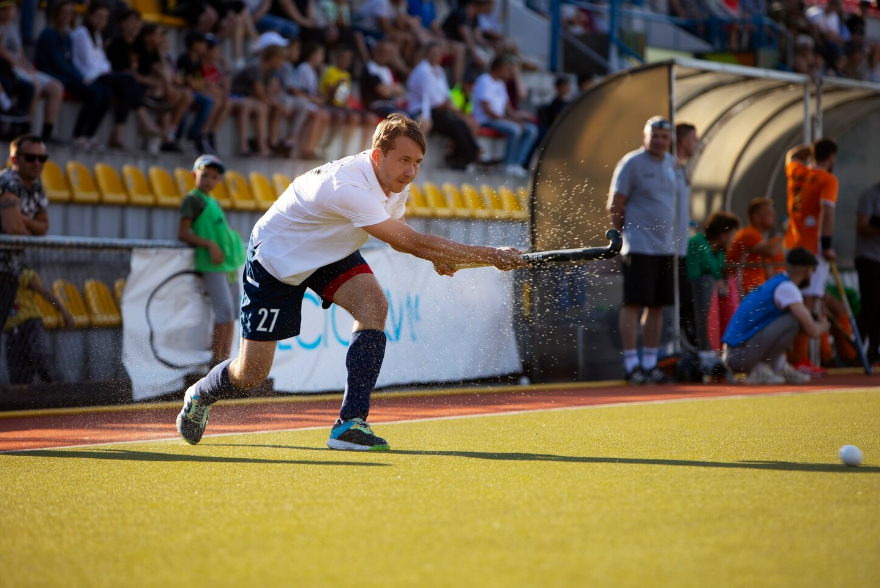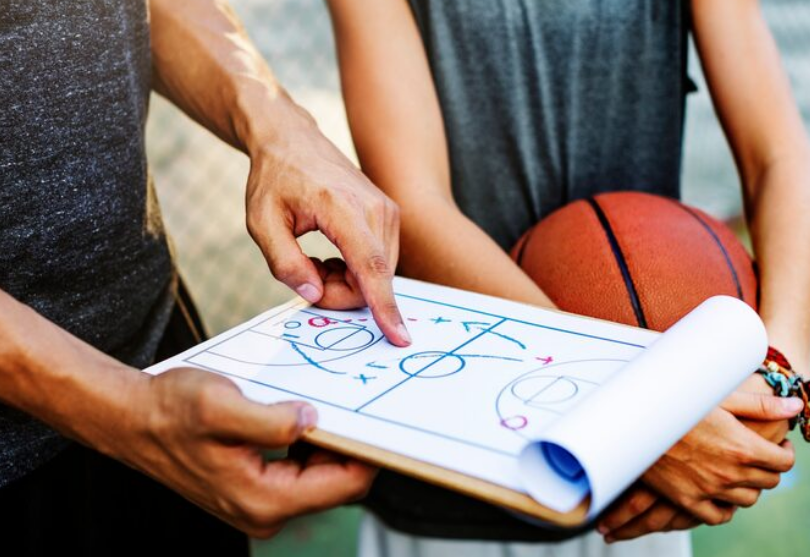
Sports have been an important part of human culture for centuries. From local competitions and school games to international tournaments watched by millions, sports bring people together through competition, entertainment, teamwork, and shared passion. Today, the world of sports is larger and more diverse than ever, offering countless opportunities for athletes, fans, coaches, organizations, and communities.
Understanding sports goes beyond knowing how a particular game is played. It involves learning about different types of competitions, the importance of physical fitness, sportsmanship, technology, professional leagues, and the influence athletics has on society.
What Makes Sports So Important?
Sports provide a combination of physical activity, mental challenges, discipline, and social interaction. Participating in sports can encourage people to stay active while developing skills such as communication, concentration, patience, and teamwork.
For spectators, sports provide entertainment and create memorable experiences. Fans often develop strong connections with teams and athletes, celebrating victories and supporting their favorites through difficult moments.
Sports can also bring communities together. Local tournaments, school competitions, and professional events create opportunities for people to share a common interest regardless of their background.
Understanding Different Types of Sports
The sports world includes many different categories. Team sports, such as soccer, basketball, cricket, baseball, hockey, and volleyball, require players to work together toward a common objective.
Individual sports place greater emphasis on personal performance. Tennis, swimming, athletics, gymnastics, golf, boxing, and many other activities require athletes to develop their own skills while competing against opponents.
There are also sports that combine individual and team elements. Relay races and certain doubles competitions require athletes to perform individually while contributing to a larger team result.
Each sport has its own rules, strategies, equipment, and training requirements. Learning these differences makes it easier for fans to appreciate the skill involved in various competitions.
The Role of Physical Fitness
Physical fitness is an important foundation for athletic performance. Depending on the sport, athletes may need strength, speed, endurance, flexibility, balance, coordination, or a combination of these qualities.
Training programs are usually designed around the specific demands of an activity. A distance runner may focus heavily on endurance, while a weightlifter requires considerable strength and technical control.
However, fitness is not only important for professional athletes. Regular physical activity can be part of a healthy lifestyle for people of all ages. Recreational sports provide an enjoyable way to stay active while developing new skills.
Mental Strength in Sports
Physical ability is only one part of athletic performance. Mental preparation can have a major influence on how an athlete performs under pressure.
Competitors often face stressful situations where concentration and confidence become extremely important. A player may need to recover quickly after making a mistake or remain focused during the final moments of a close contest.
Mental preparation can include goal setting, visualization, breathing exercises, positive self-talk, and learning how to manage pressure.
The ability to remain calm and focused can sometimes make the difference between a strong performance and an unsuccessful one.
The Importance of Teamwork
Teamwork is one of the defining characteristics of many sports. Players must understand their individual responsibilities while also recognizing how their actions affect teammates.
Effective teams usually depend on communication, trust, preparation, and cooperation. A talented individual cannot always succeed without support from others.
Team sports teach lessons that can also be valuable outside athletics. Learning how to communicate, accept responsibility, solve problems, and work toward a shared goal can benefit students and professionals in everyday life.
How Technology Is Changing Sports
Technology has transformed the way sports are played, analyzed, and watched. Modern teams use advanced data to evaluate player performance, develop strategies, and identify areas for improvement.
Video analysis allows coaches and athletes to review previous performances in detail. Tracking systems can provide information about movement, speed, distance, and other performance measurements.
Technology has also changed the experience for fans. High-definition broadcasts, instant replays, digital scoreboards, mobile applications, and online platforms allow supporters to follow competitions from almost anywhere.
As technology continues to develop, sports organizations are finding new ways to improve both competition and fan engagement.
The Growth of Professional Sports
Professional sports have become a major global industry. Athletes compete in domestic leagues, international tournaments, championships, and other high-profile events.
Professional competitions attract large audiences and generate opportunities for athletes, coaches, referees, broadcasters, journalists, sponsors, and many other professionals.
Major sporting events can also have a significant economic impact on host cities and countries. They may attract visitors, increase tourism, create temporary employment, and encourage investment in sports facilities.
At the same time, professional athletes often face intense competition and demanding schedules. Maintaining performance at the highest level requires dedication, preparation, and long-term commitment.
Sportsmanship and Fair Competition
Winning is an important part of competition, but sports are not only about results. Sportsmanship is equally important.
Respecting opponents, following the rules, accepting decisions, and handling both victory and defeat with maturity are important qualities for athletes.
Fair competition creates trust between players, teams, officials, and fans. Without respect for rules and opponents, the competitive experience can lose much of its meaning.
Young athletes can learn valuable life lessons through sports when coaches and families emphasize effort, respect, discipline, and personal improvement rather than focusing only on winning.
The Role of Coaches
Coaches play an important role in helping athletes develop their abilities. Their responsibilities can include creating training plans, teaching techniques, studying opponents, developing strategies, and supporting players emotionally.
A good coach understands that athletes have different strengths and weaknesses. Effective coaching involves identifying those differences and helping each individual improve.
Coaches can also influence an athlete’s attitude toward competition. Encouragement, constructive feedback, discipline, and clear communication can help athletes build confidence and remain motivated.
How Fans Shape the Sports World
Fans are an essential part of modern sports. Their enthusiasm creates atmosphere inside stadiums and helps build the identity of teams and competitions.
Supporters follow matches, purchase merchandise, discuss performances, and share their opinions through social media and online communities.
Sports fandom can also create friendships. People who have never met may develop strong connections because they support the same team or enjoy the same sport.
The relationship between athletes and fans has become even more direct through digital platforms, where players can communicate with supporters and share parts of their professional lives.
Getting Started With a Sport
Anyone interested in sports can begin at almost any age. The best starting point is choosing an activity that matches your interests and physical abilities.
Beginners should focus on learning the fundamentals rather than trying to become highly skilled immediately. Basic techniques, rules, safety practices, and consistent practice provide a strong foundation.
It is also important to set realistic goals. Improvement takes time, and progress may not always happen quickly. Patience and regular practice are essential.
Joining a local club, school team, community program, or recreational group can make the experience more enjoyable while providing guidance and opportunities to meet other participants.
The Future of Sports
The future of sports is likely to be influenced by technology, changing fan expectations, improved training methods, and greater global participation.
Data analysis may become even more important in understanding performance. Digital platforms will continue to provide new ways for fans to follow competitions and interact with athletes.
There is also growing interest in making sports more accessible to people of different ages and abilities. Youth programs, women’s competitions, adaptive sports, and community athletics can help expand participation.
The sports world will continue to evolve, but the fundamental appeal of competition, teamwork, skill, and human achievement is likely to remain.
Final Thoughts
Sports offer far more than competition. They provide opportunities to develop physical fitness, mental strength, discipline, teamwork, confidence, and social connections. From recreational activities to professional championships, every level of sport has something valuable to offer.
Whether you are an athlete, a dedicated fan, or someone discovering a new activity, understanding the different elements of sports can make the experience more rewarding. With countless games, competitions, athletes, and stories to explore, the world of sports remains one of the most exciting and influential parts of modern society.