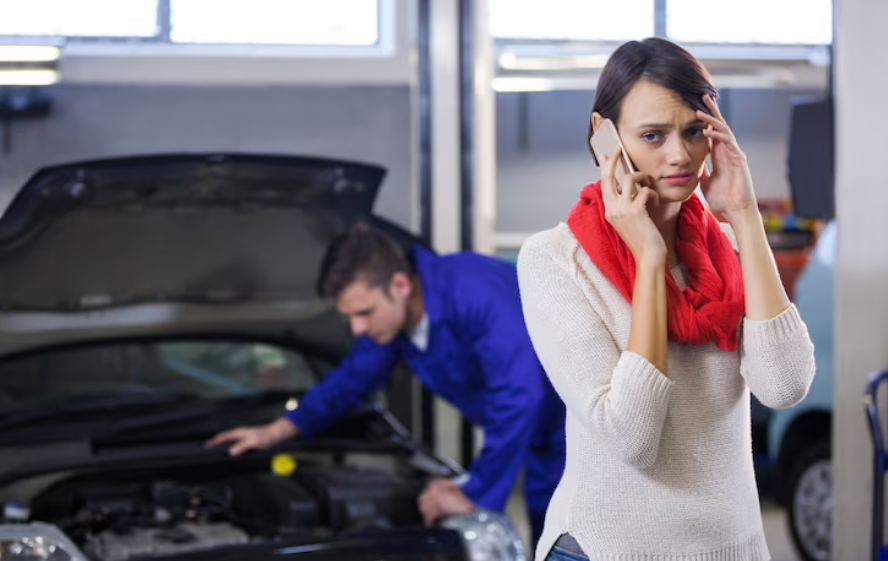
Owning a car provides convenience and freedom, but every vehicle requires regular care to remain reliable. Small mechanical issues can quickly become expensive repairs when they are ignored for too long. The good news is that many common car problems can be prevented through routine maintenance, careful driving, and paying attention to warning signs.
Understanding what can go wrong with your vehicle allows you to take action before a minor issue becomes a major breakdown. From engine problems and worn brakes to battery failures and tire damage, simple maintenance can protect both your vehicle and your wallet.
Engine Problems
The engine is one of the most important and complex parts of a vehicle. It contains many moving components that must work together correctly. Problems can develop when maintenance is neglected or when warning signs are ignored.
Common engine problems include overheating, oil leaks, unusual noises, poor acceleration, and difficulty starting. An illuminated check engine light can also indicate anything from a minor sensor issue to a more serious mechanical problem.
Regular oil changes are one of the easiest ways to protect the engine. Engine oil lubricates internal components and helps control heat. Over time, oil becomes contaminated and loses some of its effectiveness.
Drivers should also check fluid levels regularly and follow the manufacturer’s recommended maintenance schedule. If the engine begins making unusual sounds or the vehicle loses power, having it inspected promptly can prevent further damage.
Brake Problems
Brakes are essential for vehicle safety, and worn components should never be ignored. Common brake problems include squeaking, grinding, vibrations, a soft brake pedal, and increased stopping distance.
Brake pads naturally wear down with use. If they become excessively thin, they can damage the rotors and increase repair costs. Grinding sounds can be particularly concerning because they may indicate that brake components are making direct contact.
Have the braking system inspected regularly, especially if you notice changes in braking performance. Replacing worn brake pads at the appropriate time is generally much less expensive than repairing damaged rotors or other components.
Battery and Starting Issues
A weak or dead battery is one of the most common reasons a vehicle fails to start. Batteries have a limited service life, and their performance can decline gradually.
Signs of a weak battery may include slow engine cranking, dim interior or exterior lights, and electrical accessories that behave inconsistently.
Keeping battery terminals clean can help maintain a reliable electrical connection. It is also useful to have the battery tested periodically, particularly before extreme weather conditions.
If your vehicle repeatedly needs a jump-start, do not simply continue driving without investigating the cause. The battery, alternator, or electrical system could require attention.
Tire Problems
Tires are often overlooked until something goes wrong. Underinflated, overinflated, worn, or damaged tires can affect handling, braking, fuel efficiency, and overall safety.
Check tire pressure regularly and use the pressure recommended by the vehicle manufacturer. Do not rely solely on the number printed on the tire because that may represent a maximum pressure rather than the recommended operating level.
Inspect tires for uneven tread wear, cracks, bulges, or embedded objects. Rotating the tires according to the manufacturer’s recommended schedule can help promote more even wear.
Wheel alignment should also be checked if the vehicle pulls to one side or the steering wheel is not centered while driving.
Transmission Problems
The transmission transfers power from the engine to the wheels. Transmission repairs can be costly, which makes early detection especially important.
Potential warning signs include delayed gear changes, slipping gears, unusual noises, fluid leaks, or difficulty shifting. Some vehicles may also display warning lights when a transmission-related problem occurs.
Following the recommended transmission service schedule can help maintain the system. Avoid ignoring unusual behavior, especially if the vehicle suddenly struggles to accelerate or changes gears roughly.
Good driving habits can also reduce unnecessary stress on the transmission. Avoid aggressive acceleration and follow the manufacturer’s recommendations for towing or carrying heavy loads.
Cooling System Problems
The cooling system keeps the engine operating within a safe temperature range. A problem with the radiator, coolant, thermostat, water pump, or cooling fan can cause the engine to overheat.
Overheating should never be ignored. Continuing to drive an overheated vehicle can cause serious engine damage.
Check the coolant level as recommended and inspect the vehicle for signs of leaks. If you notice coolant beneath the car or see the temperature gauge rising unusually high, stop driving when it is safe to do so and have the vehicle inspected.
Never remove a hot radiator cap because pressurized coolant can cause severe burns.
Suspension and Steering Issues
The suspension system helps provide a comfortable ride while keeping the tires in contact with the road. Steering and suspension components can wear over time because of normal driving, potholes, rough roads, and other impacts.
Warning signs include excessive bouncing, uneven tire wear, clunking sounds, steering vibration, or difficulty maintaining a straight path.
Regular inspections can identify worn shocks, struts, bushings, ball joints, and other components before they create larger problems. Addressing suspension issues early can also help protect tires and other vehicle systems.
Electrical Problems
Modern vehicles depend on electrical systems for everything from lighting and entertainment to engine management and safety features.
Electrical problems can appear as flickering lights, malfunctioning windows, dashboard warnings, faulty sensors, or accessories that stop working.
Because modern electrical systems can be complicated, guessing at the cause may lead to unnecessary part replacements. If an electrical problem continues, professional diagnosis can help identify the actual source.
Warning Signs You Should Never Ignore
Your vehicle often provides clues before a major problem develops. Paying attention to these signs can save money over time.
Watch for warning lights, fluid leaks, unusual smells, strange sounds, vibrations, changes in steering, reduced braking performance, poor acceleration, and changes in fuel economy.
A warning light does not always mean that an expensive repair is required, but it should not be ignored. Early diagnosis can prevent a small problem from developing into a larger one.
Follow a Preventive Maintenance Routine
Preventive maintenance is one of the best ways to reduce unexpected repair bills. Your vehicle owner’s manual provides important information about service intervals, fluid requirements, tire specifications, and recommended inspections.
Keep records of oil changes, tire rotations, brake inspections, fluid services, and other maintenance work. A simple maintenance record makes it easier to determine what has already been completed and what may be due soon.
Do not wait for a vehicle to break down before taking care of it. Routine inspections are usually far less expensive than emergency repairs.
Drive Carefully and Pay Attention
Driving habits can have a significant impact on vehicle longevity. Aggressive acceleration, hard braking, speeding over potholes, and carrying loads beyond the vehicle’s capacity can increase wear on mechanical components.
Smooth acceleration and braking can reduce unnecessary stress. Slow down when approaching potholes and rough surfaces whenever possible.
Most importantly, learn how your vehicle normally feels and sounds. When something changes, investigate it instead of assuming it will correct itself.
Final Thoughts
Car problems are inevitable over the life of a vehicle, but many expensive repairs can be reduced through regular maintenance and early attention to warning signs. Checking fluids, maintaining proper tire pressure, servicing brakes, monitoring the battery, and following the manufacturer’s maintenance schedule are simple steps that can make a significant difference.
A vehicle that receives consistent care is more likely to remain dependable, efficient, and safe. Instead of waiting for a small problem to become an expensive breakdown, make preventive maintenance a regular part of car ownership.



One thought on “Common Car Problems and How to Prevent Expensive Repairs”