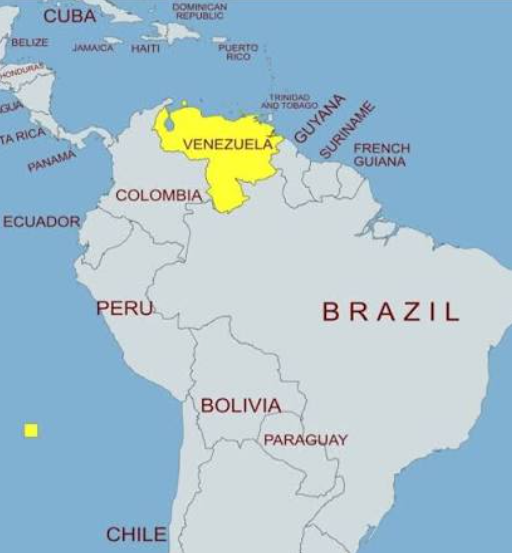
Venezuela is a country in the northern part of South America, known for its stunning natural landscapes, rich cultural heritage, and significant oil reserves. From the world’s highest uninterrupted waterfall to the Caribbean coastline and the Andes Mountains, Venezuela offers remarkable geographic diversity. Despite facing economic and political challenges in recent years, the country remains an important part of Latin America’s history, culture, and biodiversity.
Where Is Venezuela?
Venezuela is located on the northern coast of South America.
It shares borders with:
- Colombia to the west
- Brazil to the south
- Guyana to the east
- The Caribbean Sea to the north
The country’s strategic location provides access to both the Caribbean and the Atlantic region.
Quick Facts About Venezuela
| Feature | Details |
|---|---|
| Official Name | Bolivarian Republic of Venezuela |
| Capital | Caracas |
| Continent | South America |
| Official Language | Spanish |
| Currency | Venezuelan Bolívar |
| Government | Presidential Republic |
| Population | Approximately 29 million |
| Time Zone | UTC−4 |
History of Venezuela
The region was originally inhabited by Indigenous peoples long before European exploration.
Important milestones include:
- Indigenous civilizations lived in the region for thousands of years.
- Christopher Columbus reached the Venezuelan coast in 1498.
- Spain established colonial rule during the 16th century.
- Venezuela declared independence in 1811.
- Simón Bolívar played a central role in securing independence from Spain.
- The country later became one of South America’s major oil producers.
Venezuela has an incredibly diverse landscape, including:
- Caribbean beaches
- Tropical rainforests
- Grasslands (Llanos)
- Andes Mountains
- River systems
- National parks
The climate varies from tropical coastal regions to cooler mountain areas.
Economy
Venezuela possesses some of the world’s largest proven oil reserves.
Major economic sectors include:
- Petroleum
- Natural gas
- Agriculture
- Mining
- Manufacturing
- Tourism
Oil exports have historically played a major role in the country’s economy, although economic instability has affected growth in recent years.
Culture and Traditions
Venezuelan culture reflects Indigenous, African, and European influences.
Popular cultural elements include:
- Traditional music
- Colorful festivals
- Dance
- Regional cuisine
- Baseball
- Family traditions
Music styles such as joropo remain an important part of national identity.
Some of Venezuela’s most famous destinations include:
- Angel Falls
- Los Roques Archipelago
- Mount Roraima
- Canaima National Park
- Mérida Cable Car
These attractions highlight the country’s exceptional natural beauty.
Wildlife
Venezuela is one of the world’s most biodiverse countries.
Wildlife includes:
- Jaguars
- Giant anteaters
- Capybaras
- Pink river dolphins
- Scarlet macaws
- Anacondas
- Howler monkeys
Many species are protected within national parks and nature reserves.
Food in Venezuela
Popular Venezuelan dishes include:
- Arepa
- Pabellón criollo
- Hallaca
- Cachapa
- Tequeños
The cuisine varies by region and reflects the country’s diverse cultural heritage.
Why Is Venezuela Famous?
Venezuela is internationally recognized for:
- The world’s highest uninterrupted waterfall
- Vast oil reserves
- Caribbean coastline
- Diverse wildlife
- Rich cultural traditions
- National parks
- Beautiful mountain landscapes
Final Thoughts
Venezuela is a country of remarkable natural beauty, rich history, and cultural diversity. From the breathtaking scenery of Angel Falls to the vibrant streets of Caracas, it offers a unique blend of landscapes and traditions. While the country has experienced significant economic and political challenges, it remains an important nation in South America with a fascinating heritage and extraordinary biodiversity.
Frequently Asked Questions
Where is Venezuela located?
Venezuela is located in northern South America, bordering Colombia, Brazil, Guyana, and the Caribbean Sea.
What is the capital of Venezuela?
The capital city is Caracas.
What language is spoken in Venezuela?
Spanish is the country’s official language.
What is Venezuela famous for?
It is famous for Angel Falls, large oil reserves, Caribbean beaches, and diverse wildlife.
Is Venezuela a good tourist destination?
Venezuela has many spectacular natural attractions, though travelers should always check current government travel advisories before planning a visit.
What currency is used in Venezuela?
The official currency is the Venezuelan Bolívar.
What is the most popular food in Venezuela?
Popular dishes include Arepa, Pabellón criollo, and Hallaca.
What is the highest waterfall in Venezuela?
Angel Falls is the world’s highest uninterrupted waterfall.
What are Venezuela’s major industries?
The economy is primarily based on petroleum, natural gas, mining, agriculture, and manufacturing.
What wildlife can be found in Venezuela?
The country is home to jaguars, capybaras, giant anteaters, pink river dolphins, scarlet macaws, and many other species.